My Roof Looks Fine After a Storm- Do I Still Need a Roof Inspection?
Think your roof survived the storm? Hidden damage could be present
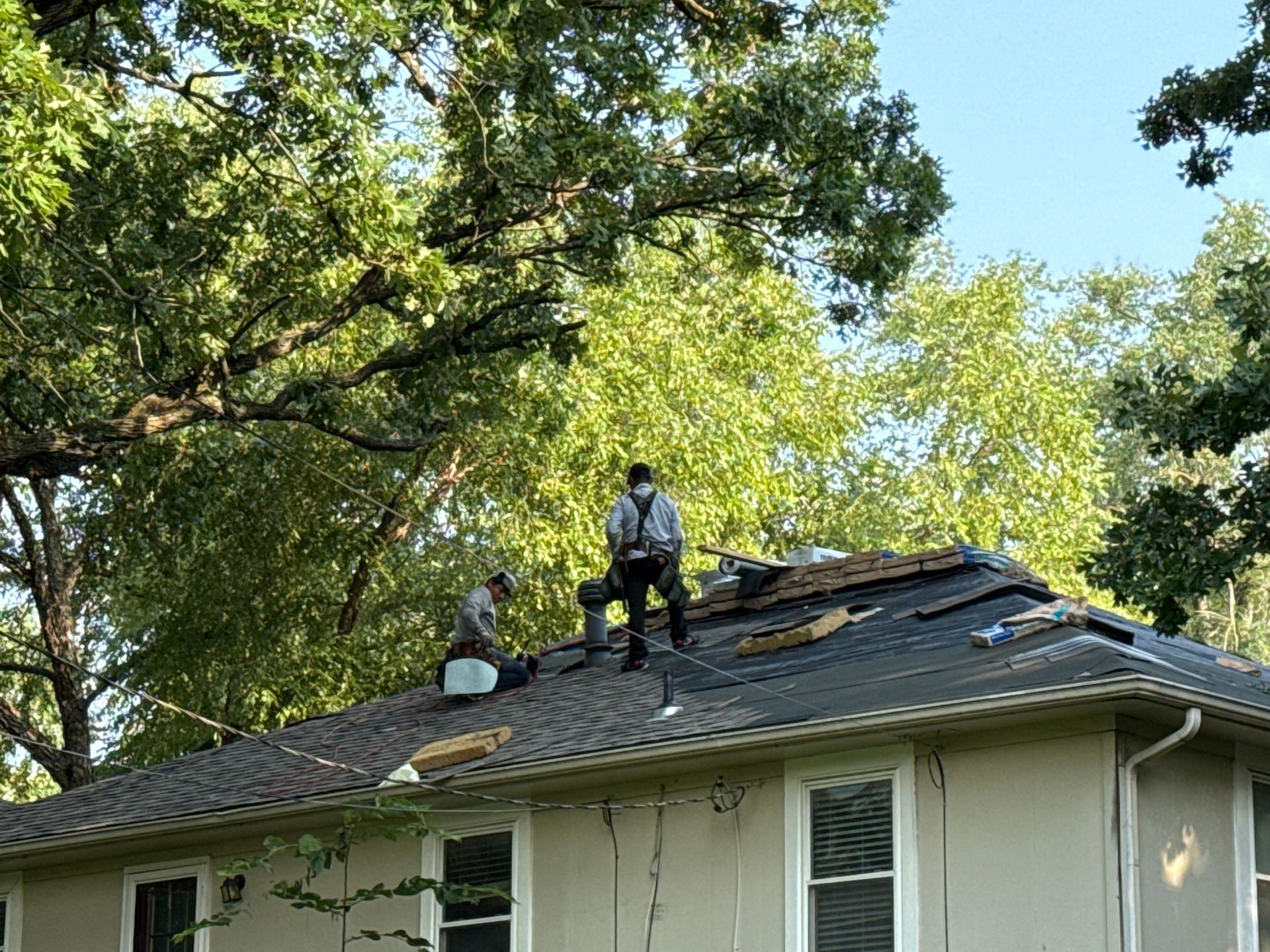
After a storm moves through Kansas City, many homeowners step outside, look at their roof from the driveway, and think:
"Everything looks okay. I guess we're fine."
And sometimes they are.
But sometimes a roof that appears perfectly normal from the ground has damage that won't become obvious until months later, when leaks, missing shingles, or insurance deadlines become a problem.
So let's answer the question many homeowners ask after severe weather.
If My Roof Looks Fine, Why Would I Need an Inspection?
The biggest reason is simple:
Many forms of storm damage aren't visible from the ground.
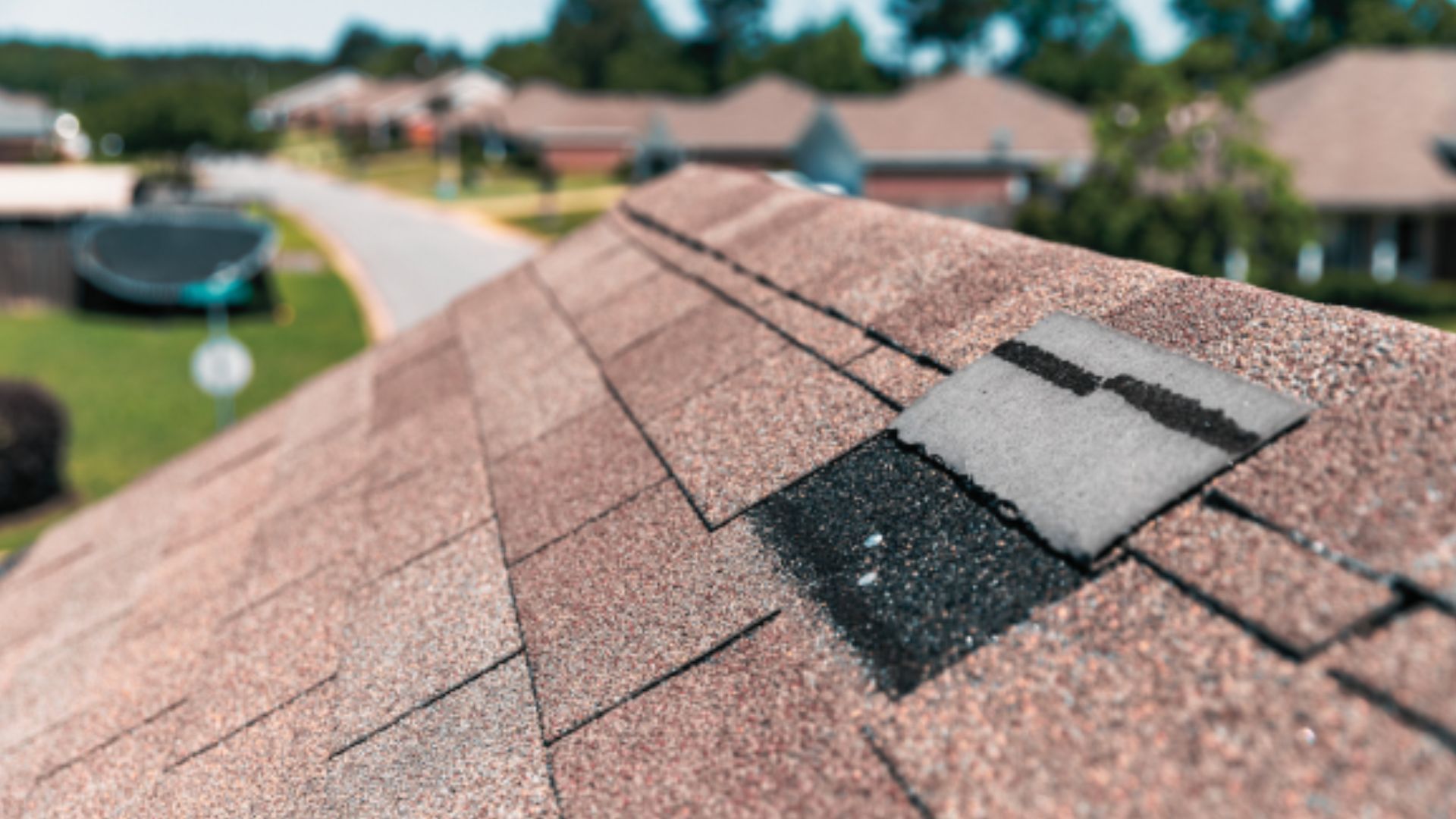
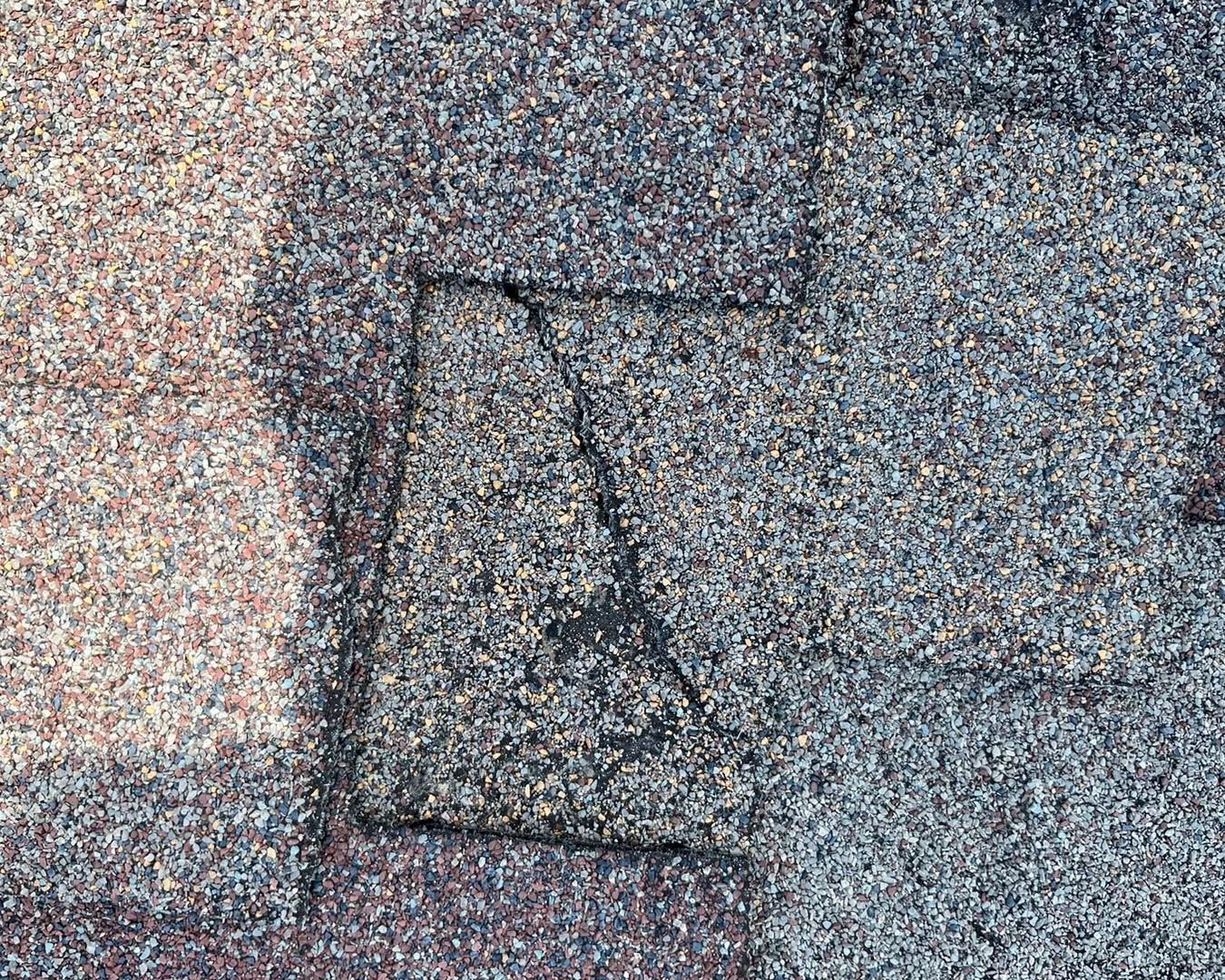
Hail damage can weaken shingles without immediately causing leaks. Wind damage can break the seal that holds shingles in place. Flashing can loosen around chimneys, vents, and roof penetrations.
These issues may not cause immediate problems, but they can shorten the roof's lifespan and lead to more expensive repairs later.
A professional roof inspection is designed to identify hidden damage before it becomes a bigger issue.
What Types of Storm Damage Are Common in Kansas City?
Kansas City homeowners face a combination of weather conditions that can be tough on roofing systems.
Common causes of roof damage include:
- Hailstorms
- High winds
- Falling tree limbs
- Wind-driven rain
- Tornadic weather
- Freeze-thaw cycles following storms
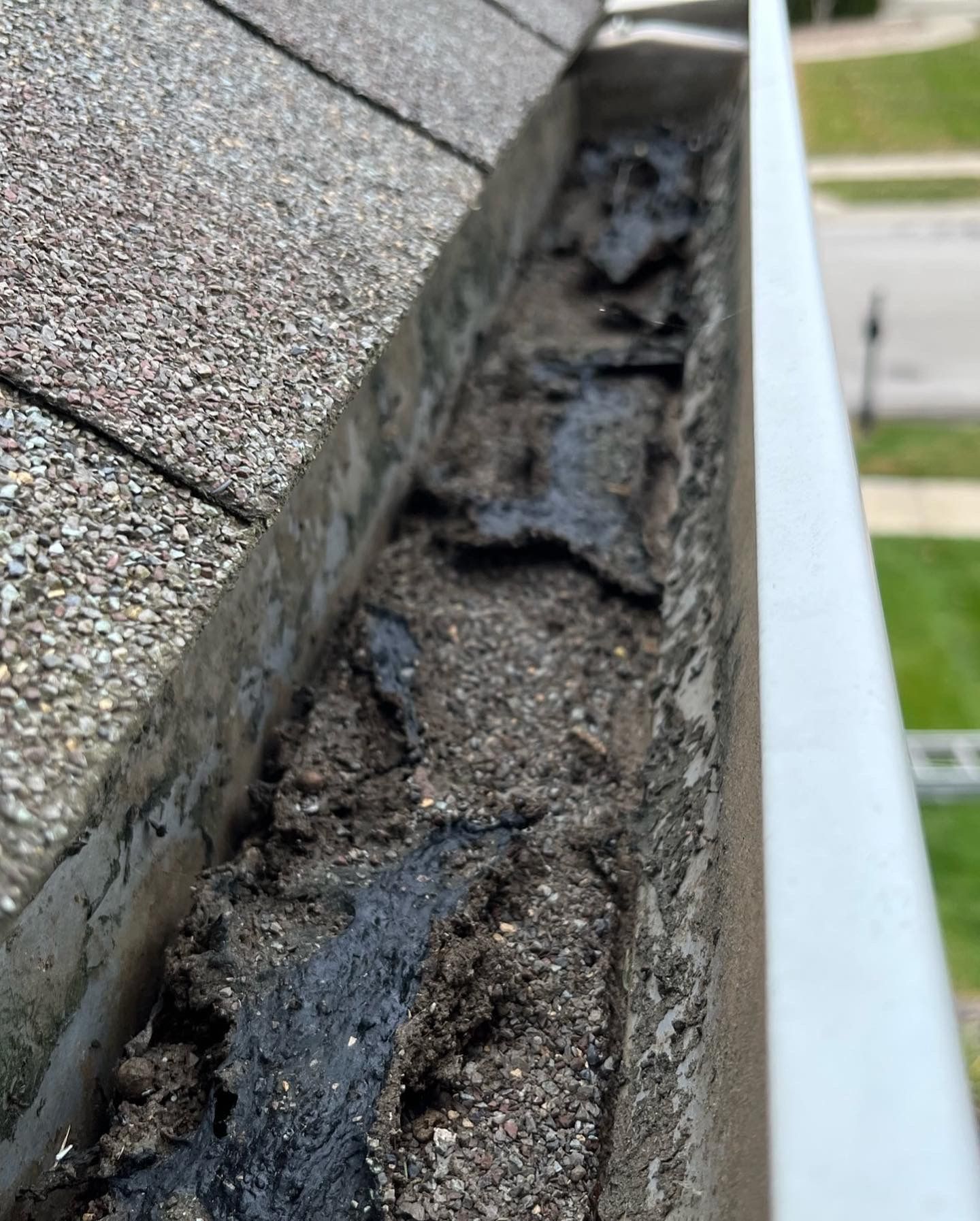
Even relatively small hail can remove protective granules from asphalt shingles, exposing the underlying materials to accelerated wear.
How Can I Tell If My Roof Has Storm Damage?
There are a few warning signs homeowners can safely look for.
Around the Yard
After a storm, look for:
- Shingle pieces on the ground
- Granules in gutters
- Fallen branches
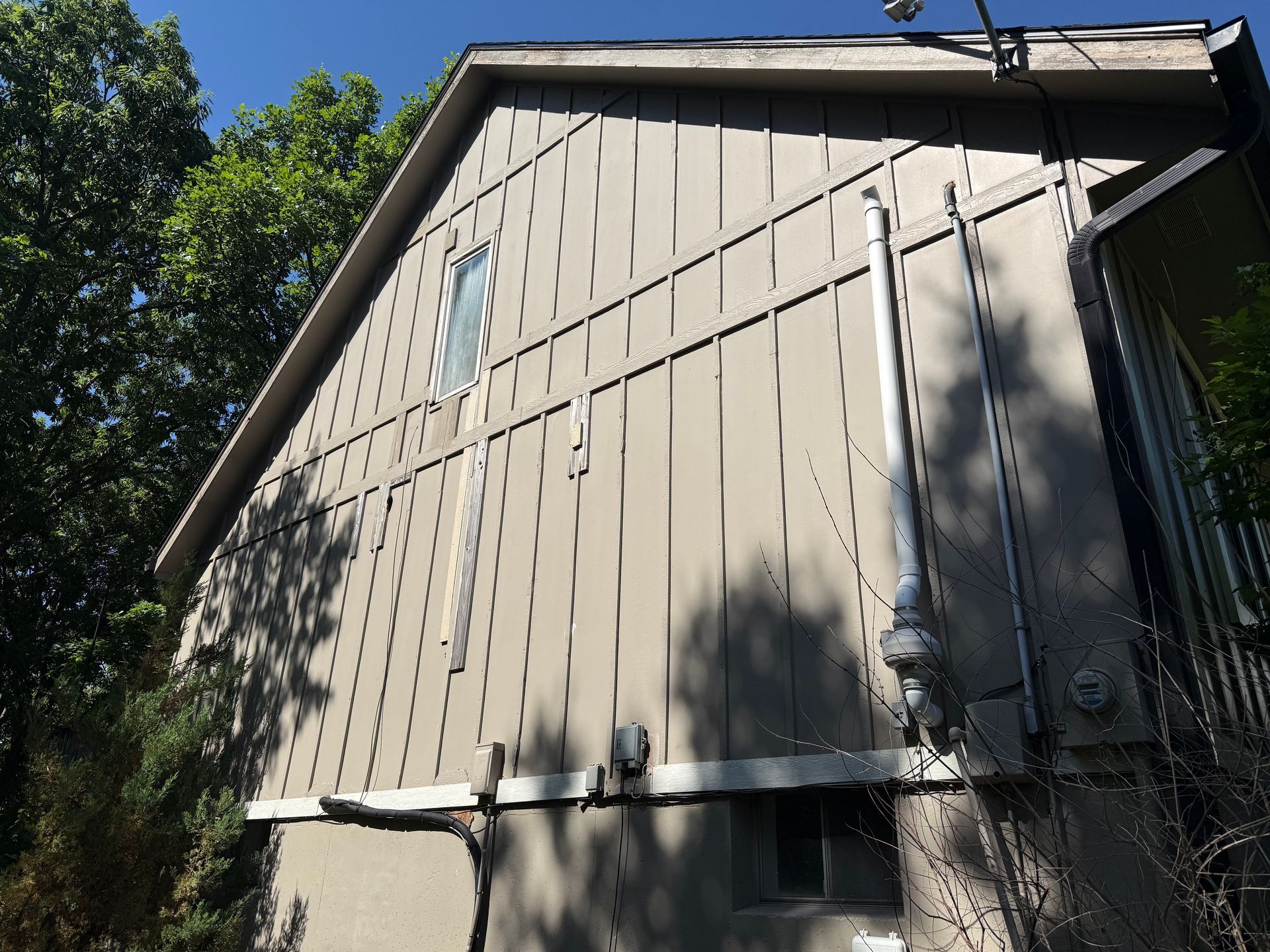
- Damaged siding
- Dented downspouts
- Dented mailbox surfaces
- Damage to outdoor HVAC equipment
If hail damaged metal surfaces around your home, there's a good chance your roof experienced impact as well.
Inside the Home
Watch for:
- Ceiling stains
- Water spots
- New attic moisture
- Musty odors
- Peeling paint near ceilings
These symptoms may indicate roof damage that was not immediately obvious after the storm.
If There Are No Leaks, Can I Wait?
This is one of the most common misconceptions homeowners have.
Many people assume that no leak means no damage.
Unfortunately, roof systems often continue functioning temporarily after sustaining storm damage.
A hail-damaged shingle may continue shedding water for months before deterioration becomes visible. Wind-lifted shingles can remain attached while becoming increasingly vulnerable to future storms.
Waiting too long can sometimes lead to:
- More extensive repairs
- Interior water damage
- Mold concerns
- Reduced insurance claim options
- Shortened roof lifespan
Will Insurance Cover Storm Damage?
In many cases, yes.
Most homeowner policies cover sudden storm-related damage caused by events such as hail and wind.
However, insurance companies generally expect damage to be documented and reported within policy timeframes.
That is one reason inspections are important shortly after a storm.
A qualified roofing contractor can help identify storm-related damage and provide documentation that may support an insurance claim. We have resources available and are happy to walk you through the process over the phone or in person.
How Much Does a Storm Damage Roof Inspection Cost?
Many reputable roofing companies offer complimentary storm damage inspections.
The goal is not simply to find damage but to provide homeowners with accurate information about the condition of their roof.
Whether damage is found or not, a thorough inspection can help homeowners make informed decisions.
What Happens During a Professional Roof Inspection?
A quality inspection typically includes:
Roof Surface Evaluation
Inspectors look for:
- Hail impacts
- Missing shingles
- Wind damage
- Granule loss
- Exposed nail heads
- Flashing issues
Exterior Inspection
The contractor may examine:
- Gutters
- Downspouts
- Siding
- Fascia
- Soffits
Attic Assessment
When accessible, attic inspections may reveal:
- Moisture intrusion
- Ventilation issues
- Water staining
- Structural concerns
The result is a clearer picture of the roof's overall condition.
How Do I Choose a Roofing Contractor After a Storm?
Unfortunately, severe weather often attracts out-of-town contractors who appear immediately after storms. They'll often encourage you to file a claim without getting on the roof.
When choosing a roofing company, look for:
Local Experience
A local contractor understands Kansas City weather patterns and building requirements.
Strong Reviews
Look for consistent customer feedback across multiple platforms.
Insurance Knowledge
A contractor should understand how storm claims work without making unrealistic promises.
Clear Communication
Homeowners should receive honest assessments, detailed explanations, and transparent recommendations.
What If the Inspection Finds Damage?
The next step depends on the severity of the findings.
Minor damage may only require repairs.
More extensive damage may warrant a roof replacement if repairs are no longer the most cost-effective solution.
A trustworthy contractor should explain:
- What damage exists
- What caused it
- Available repair options
- Expected costs
- Insurance considerations
The goal should always be helping homeowners make the best long-term decision.
The Bottom Line
If your roof looks fine after a storm, that's certainly a good sign.
But appearances can be deceiving.
Kansas City storms can cause damage that isn't visible from the ground and may not produce leaks for months.
A professional inspection provides peace of mind, identifies hidden issues early, and helps homeowners protect one of their most valuable investments.
If a recent storm passed through your neighborhood, having your roof inspected can help you understand exactly where things stand before small problems become expensive ones.
FAQs
How soon should I have my roof inspected after a storm?
Ideally, within a few days to a few weeks after a significant hail or wind event. Early inspections help identify damage and preserve documentation for insurance purposes.
Can hail damage a roof without causing leaks?
Yes. Hail often damages shingles in ways that are not immediately visible but can reduce the roof's lifespan and lead to future problems.
Does every storm-damaged roof need replacement?
No. Many roofs can be successfully repaired depending on the extent and location of the damage.
Can I Inspect My Roof Myself?
Homeowners can safely inspect the ground-level exterior of their property, but climbing onto a roof is not recommended due to safety concerns and the possibility of overlooking hidden damage.
What if my insurance company says there isn't enough damage?
Homeowners have the right to ask questions, seek clarification, and obtain documentation from qualified roofing professionals regarding the condition of their roof.
FAQs
This is the text area for this paragraph. To change it, simply click and start typing.
Is it safe to stay home during a roof replacement?
Yes. Most homeowners safely remain in their homes during roof replacement, although the noise and vibrations can be disruptive.
How long does a roof replacement usually take?
Most asphalt shingle roof replacements in the Kansas City area are completed in one to two days, depending on the size and complexity of the roof.
Will my homeowner's insurance pay for a hotel during roof replacement?
Typically, no. If the roof replacement is part of a covered insurance claim and the home becomes temporarily uninhabitable, coverage may vary by policy. Check with your insurance provider for details.
Should I warn my neighbors before my roof is replaced?
It's a thoughtful gesture. Letting neighbors know about the project can help them prepare for temporary noise and additional vehicles in the area.
What happens if bad weather delays my roof replacement?
Professional roofing contractors closely monitor weather conditions and use protective materials to keep your home dry if unexpected rain interrupts the project.
5-Star Customer Experience