Storm Damage in Kansas City: What to Do First After Your Home Gets Hit
Kansas City homeowners have been dealing with severe storm conditions
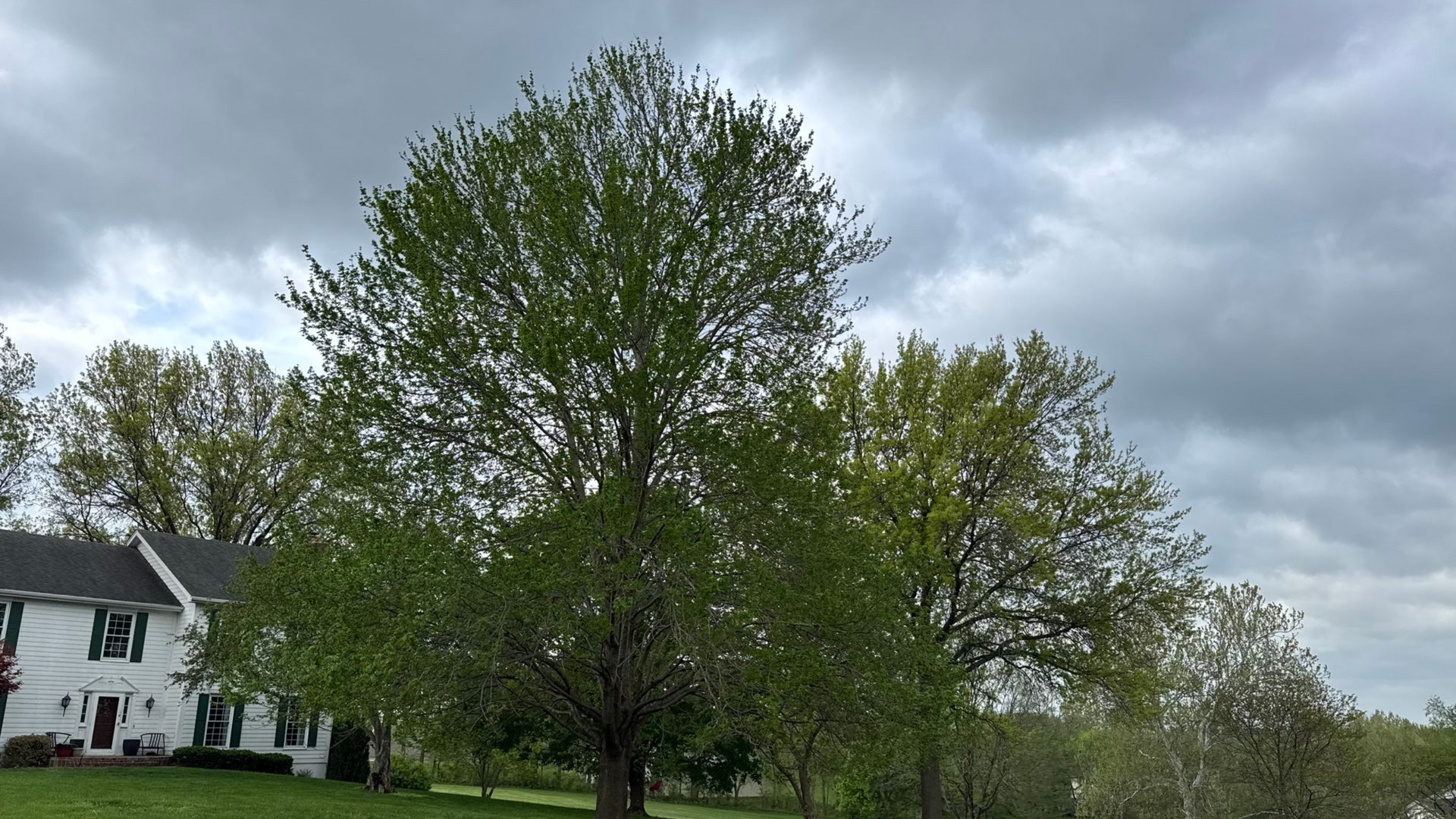
When severe storms hit back-to-back, it can leave homeowners feeling overwhelmed fast.
One minute you are watching the weather. Next, you are staring at shingles in the yard, siding on the ground, broken tree limbs, water where it should not be, and a long list of questions you were not prepared to answer.
If that is where you are right now, take a breath.
You do not have to figure everything out at once. You also do not have to climb on your roof, guess at the damage, or make rushed decisions. Start with safety. Then work through the damage one step at a time.
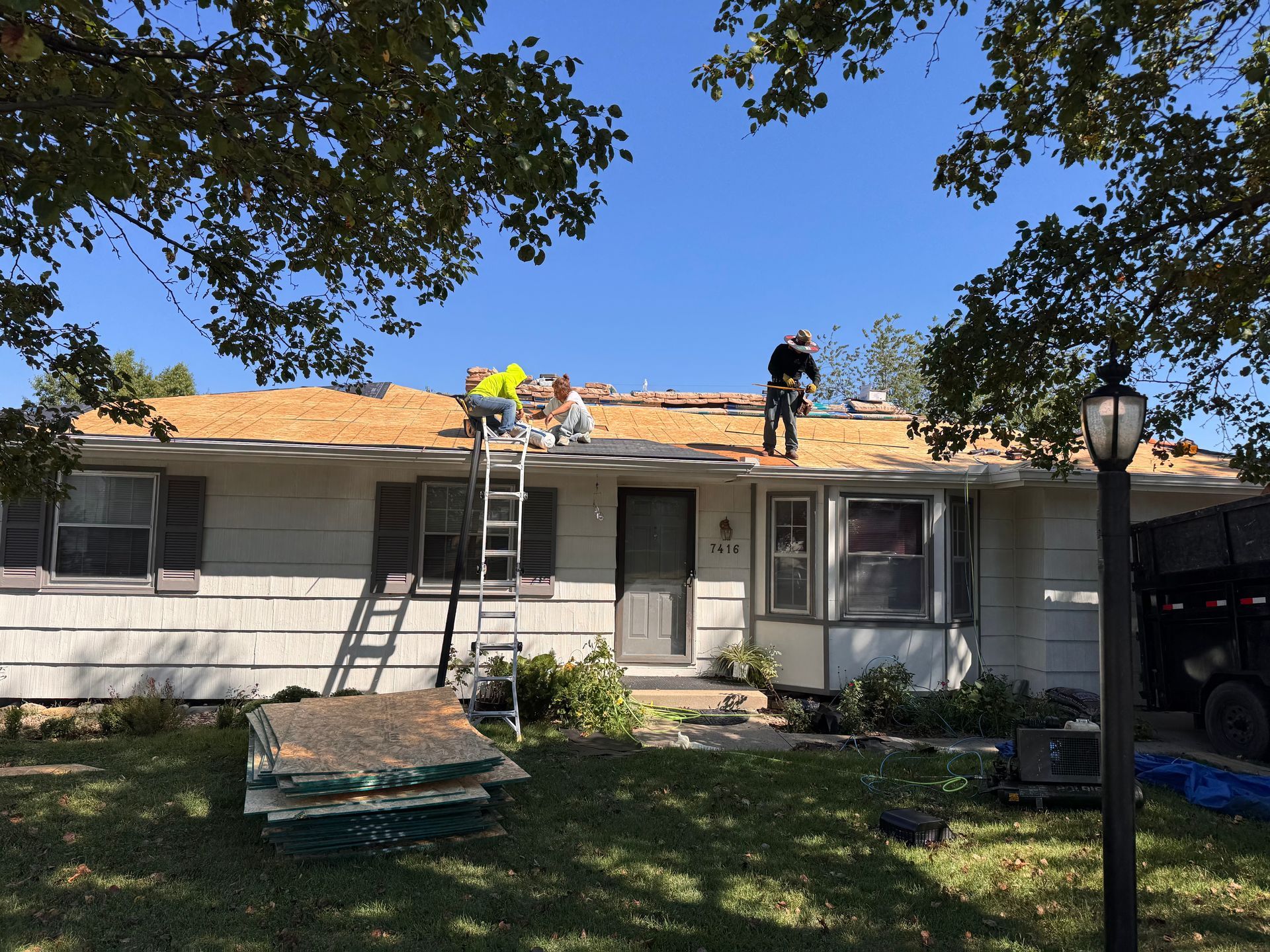
At Ranger Roofing & Exteriors, we help Kansas City homeowners after storms every day. If your home took a hit, we will come out for a free inspection and help you understand what happened, what needs attention first, and what steps make sense next. If insurance is involved, we help with the entire claim, not just the roof. That can include other storm-damaged items on your property too, even things like broken concrete statues.
First things first: focus on safety, not cleanup speed
After a storm, your first job is not to make everything look normal again. Your first job is to make sure everyone is safe.
Here is the best order to follow:
1. Check for immediate dangers
Before you worry about repairs, look for hazards:
- Downed power lines
- The smell of gas
- Sparking electrical equipment
- Active leaks near lights or outlets
- Broken glass
- Large hanging tree limbs
- Sagging ceilings
- Loose metal, gutters, or siding
- Flooded areas around electrical components
If something looks dangerous, stay back and call the right emergency service or utility provider.
2. Protect people and pets
Keep children and pets away from damaged areas. Avoid sending anyone outside barefoot or into areas with debris, nails, shattered glass, or standing water.
3. Do a ground-level walk around
Walk your property carefully and slowly. You are not trying to diagnose everything perfectly. You are simply looking for visible signs of damage.
4. Take photos before moving too much
FEMA recommends taking photos and videos of the damage before discarding damaged items or starting major cleanup. Document both the outside and inside of the home if needed.
5. Handle temporary triage
If it is safe, do small temporary steps to prevent more damage:
- Move valuables away from leaks
- Put a bucket under dripping water
- Cover broken windows from the inside if needed
- Pick up loose debris in walkways
- Keep water away from electronics
6. Call the right professionals
You do not need one person for everything. Storm damage often affects multiple parts of a property, and it helps to know who to call first.
The top 10 things that often get damaged after a storm
Here are some of the most common things homeowners should check after severe wind, hail, and heavy rain:
1. Roof shingles
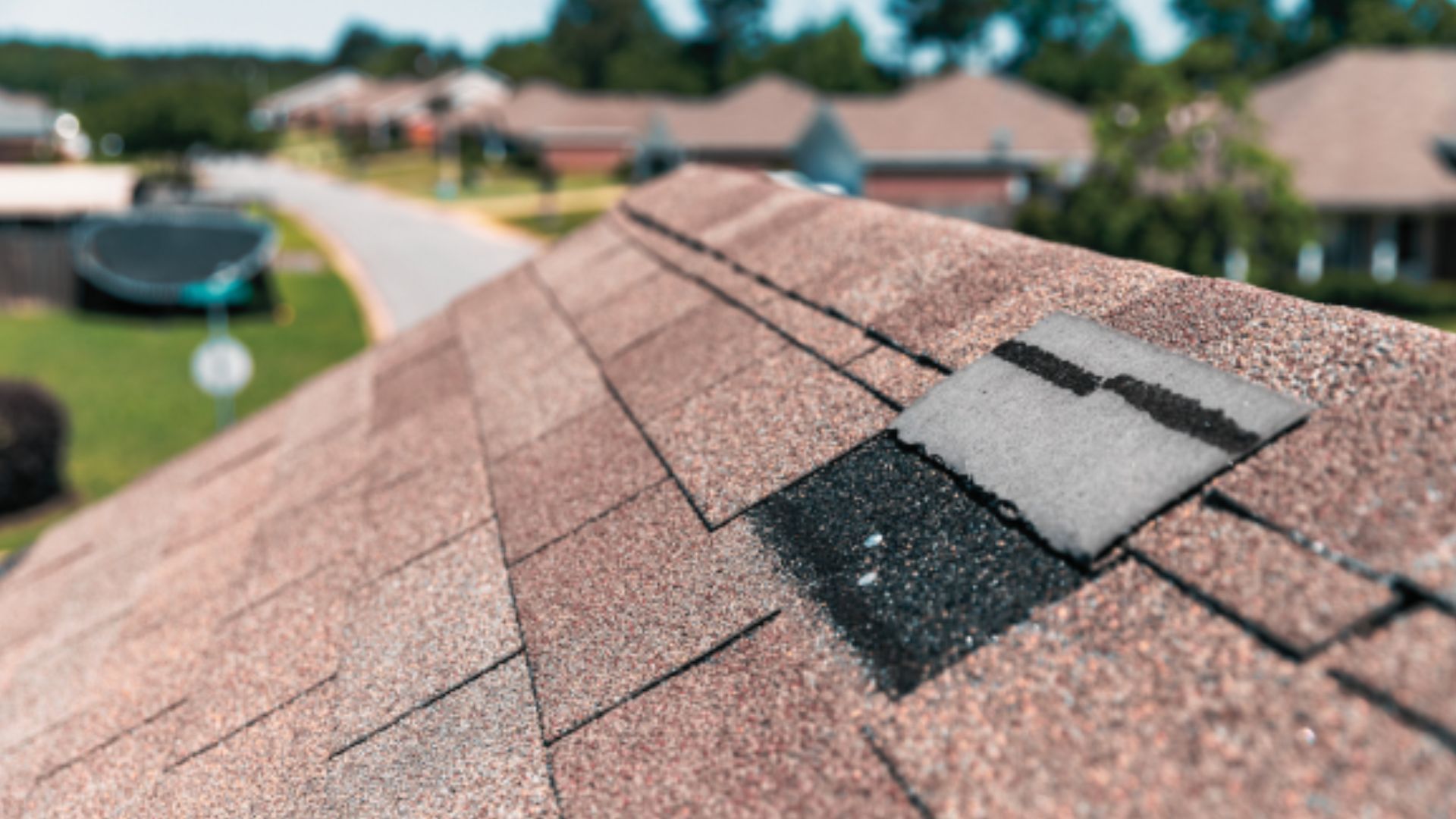
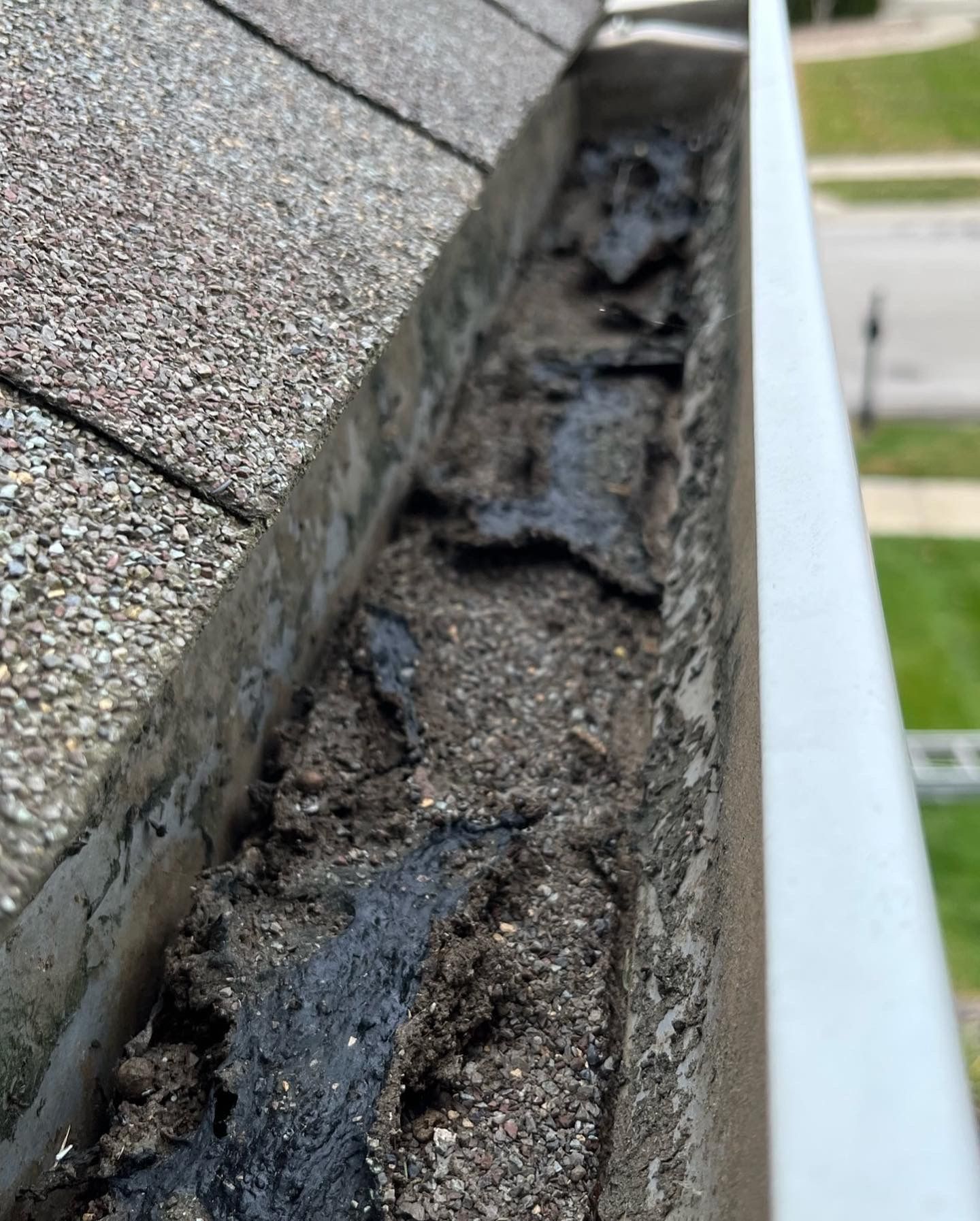
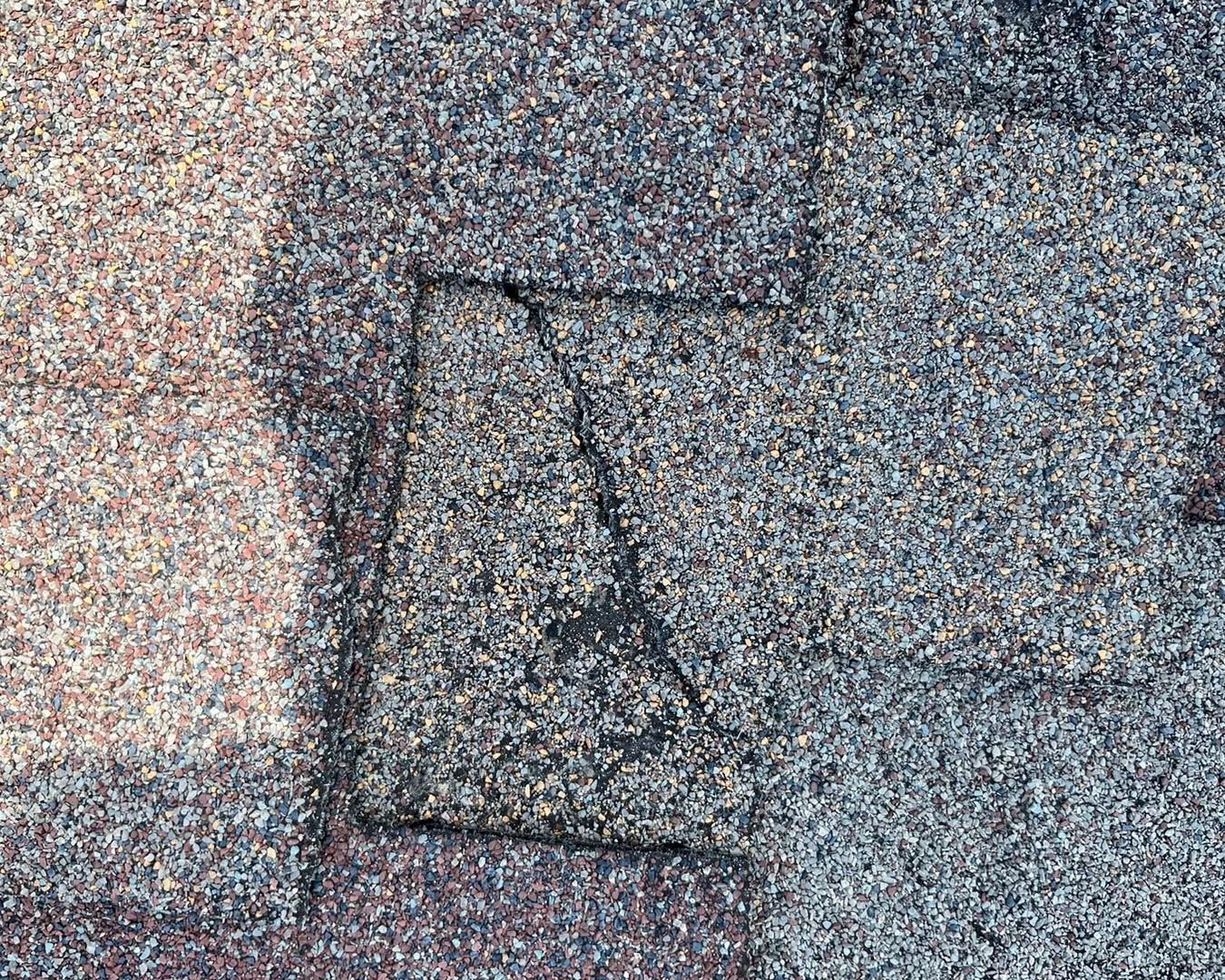
Look for missing shingles, lifted shingles, torn tabs, exposed underlayment, granules in downspouts, or shingles scattered in the yard.
Who to call: Roofing contractor
2. Gutters and downspouts
Gutters can get bent, detached, clogged, crushed by limbs, or knocked loose by wind and impact.
Who to call: Roofing and gutter contractor
3. Siding
Vinyl, metal, wood, and composite siding can crack, loosen, dent, or pull away from the home.
Who to call: Siding or exterior contractor
4. Windows and screens
Hail, debris, and falling limbs can crack glass, damage trim, or tear screens.
Who to call: Window contractor or general exterior contractor
5. Fascia, soffit, and trim
These parts are often overlooked after storms, but wind and water can do serious damage around the roofline.
Who to call: Roofing or exterior contractor
6. Fences and gates
Strong winds and falling branches can break panels, pull posts loose, or cause leaning sections.
Who to call: Fence contractor or handyman, depending on severity
7. Decks, patios, and outdoor furniture
Flying debris, pooling water, and fallen limbs can damage railings, furniture, pergolas, and outdoor structures.
Who to call: Deck contractor, handyman, or landscaper, depending on damage
8. Trees and landscaping
Broken limbs, uprooted plants, damaged irrigation, and unstable trees are very common after severe weather.
Who to call: Arborist, tree service, or landscaper
9. Exterior HVAC equipment
Outdoor AC units can be dented by hail, blocked by debris, or impacted by falling branches.
Who to call: HVAC contractor
10. Decorative exterior items and hardscapes
This includes concrete statues, planters, lighting, mailboxes, pergolas, shutters, and other outdoor features. These items can absolutely be damaged in a storm, and depending on your policy, they may be covered in an insurance claim as well.
Who to call: It depends on the item, but document it and include it in the claim conversation
What should homeowners be looking for after a storm?
If you are not handy, that is okay. You do not need to know construction terms to spot warning signs.
Here are simple things to look for:
- Pieces of roofing, metal, or siding in the yard
- Dents on gutters, garage doors, or downspouts
- Water stains on ceilings or walls
- Dripping in the attic or around light fixtures
- Cracked siding or trim
- Loose flashing
- Broken windows or torn screens
- Fence sections leaning or missing
- Tree limbs touching the roof
- Debris buildup in valleys or gutters
- Granules from shingles collecting near downspouts
- Anything that looks new, out of place, or suddenly crooked
A good rule: if it looks off, document it.
What order should homeowners handle everything in?
Storm damage feels chaotic because it all shows up at once. The easiest way to manage it is by priority.
DO NOT FILE AN INSURANCE CLAIM BEFORE A PROFESSIONAL INSPECTS YOUR PROPERTY. When you file a claim, your insurance premiums could go up. So! Have a professional help you understand your situation and be certain that when you file it, it's for a good reason.
Priority 1: Safety hazards
Call emergency services, utilities, or specialists for:
- Downed power lines
- Gas smell
- Major structural instability
- Dangerous trees or hanging limbs
- Active electrical hazards
Priority 2: Stop further damage
Address:
- Roof openings
- Active leaks
- Broken windows
- Loose gutters hanging off the house
- Water intrusion
Priority 3: Document everything
Take photos of:
- Every side of the home
- Roof damage visible from the ground
- Interior leaks
- Damaged furniture or belongings
- Landscaping and detached structures
- Decorative items and hardscape damage
Priority 4: Get professional inspections
This is where Ranger Roofing & Exteriors can help. If your roof, siding, or gutters may have been damaged, we can inspect it at no cost and help you understand what is cosmetic, what is functional, and what should be part of your claim.
Priority 5: General cleanup
Once hazards are addressed and the damage is documented, then move into broader cleanup.
That can include:
- Picking up branches and loose debris
- Tarping or temporary protection
- Clearing walkways
- Sorting damaged items
- Making a repair plan
Who should you call for different types of storm damage?
Here is a simple breakdown:
Call 911 or your utility company immediately for:
- Downed power lines
- Fire risk
- Gas leaks
- Emergency structural collapse
Call a tree service for:
- Fallen limbs
- Trees on structures
- Dangerous hanging branches
Call a plumber for:
- Sewer backups
- Burst pipes
- Water line damage
Call an HVAC company for:
- Damaged outdoor units
- System performance issues after storm impact
Call a roofing and exterior company like Ranger Roofing & Exteriors for:
- Roof damage
- Missing shingles
- Hail impact
- Siding damage
- Gutter damage
- Fascia and soffit damage
- Help understanding storm-related exterior damage as a whole
A note about insurance claims
A lot of homeowners assume a roofing company only cares about the roof.
That is not how we approach it.
If we work with you, we help you through the entire claim, not just the roofing portion. Storm claims may include more than many homeowners realize, especially when wind or hail causes damage across different parts of the property. FEMA also advises homeowners to document structural and personal property damage thoroughly before discarding items.
That means if the storm damaged siding, gutters, screens, fencing, exterior fixtures, or even decorative property features, those items deserve attention too. We are here to help you see the full picture.
What not to do after a storm
To stay safe, avoid these common mistakes:
- Do not climb on the roof
- Do not touch downed lines
- Do not rush to throw damaged items away before photographing them
- Do not assume “small” damage is harmless
- Do not let anyone pressure you into a fast decision
- Do not sign anything before you understand what is being recommended
You do not have to figure this out alone
Storm damage is stressful, especially when you are not sure where to begin.
That is why our job is not to pressure you. Our job is to help you feel calm, informed, and taken care of.
If your home may have roof, siding, or gutter damage, Ranger Roofing & Exteriors will come inspect it for free. We will help you understand what you are seeing, what should be handled first, and what options you have. If you need help with an insurance claim, we will help you through the process and look at the full scope of storm damage, not just one piece of it.
When your home gets hit, you need a steady hand and honest guidance.
We are here to lend one.
Need help after the storm?
Book your free inspection with Ranger Roofing & Exteriors today.
No pressure. No obligation. Just real help when you need it most.
FAQs
This is the text area for this paragraph. To change it, simply click and start typing.
Is it safe to stay home during a roof replacement?
Yes. Most homeowners safely remain in their homes during roof replacement, although the noise and vibrations can be disruptive.
How long does a roof replacement usually take?
Most asphalt shingle roof replacements in the Kansas City area are completed in one to two days, depending on the size and complexity of the roof.
Will my homeowner's insurance pay for a hotel during roof replacement?
Typically, no. If the roof replacement is part of a covered insurance claim and the home becomes temporarily uninhabitable, coverage may vary by policy. Check with your insurance provider for details.
Should I warn my neighbors before my roof is replaced?
It's a thoughtful gesture. Letting neighbors know about the project can help them prepare for temporary noise and additional vehicles in the area.
What happens if bad weather delays my roof replacement?
Professional roofing contractors closely monitor weather conditions and use protective materials to keep your home dry if unexpected rain interrupts the project.
5-Star Customer Experience