My Neighbor Just Got a New Roof After the Storm. Does That Mean I Need One Too?
Keeping Up with the jones's on home repairs
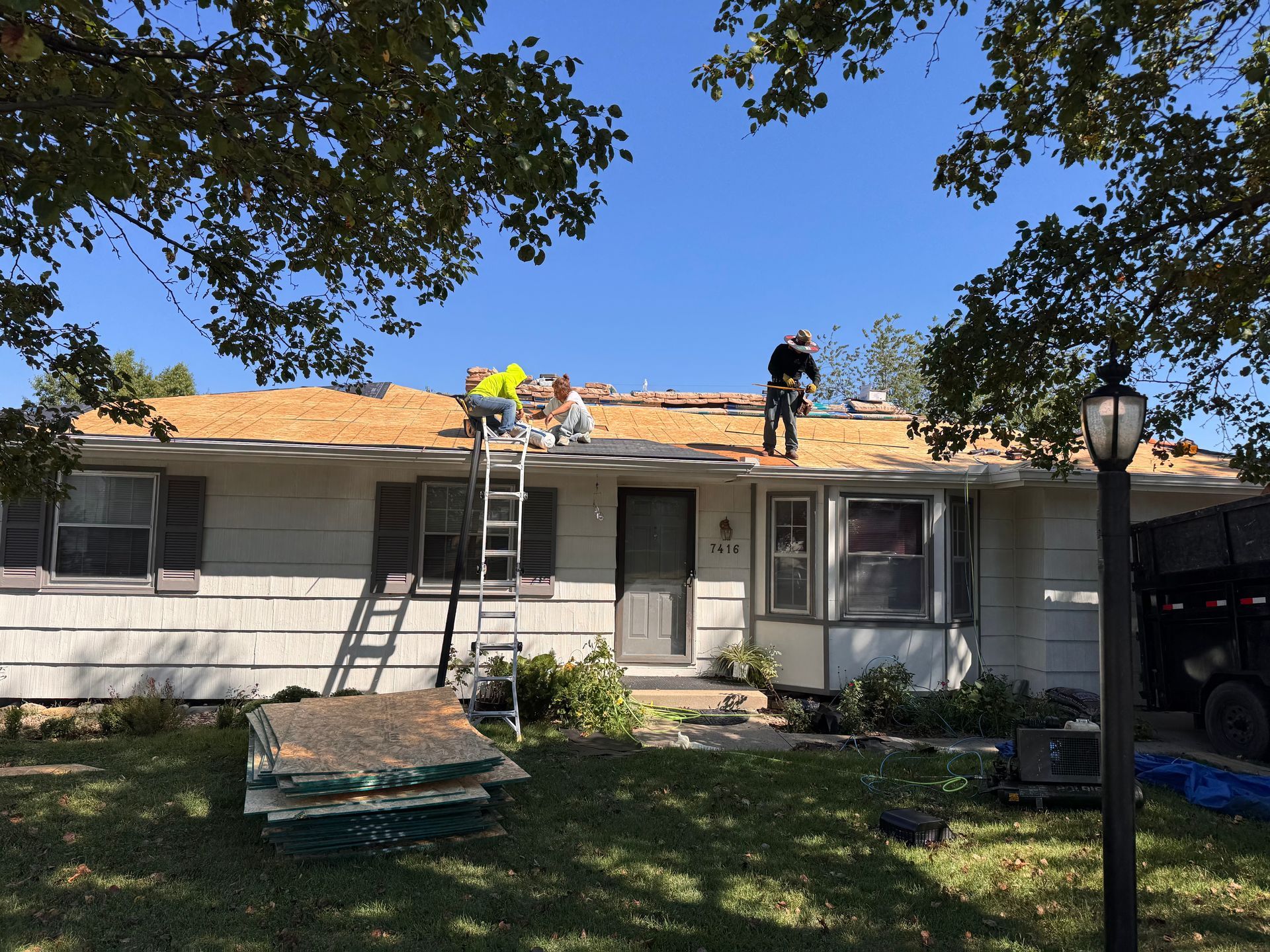
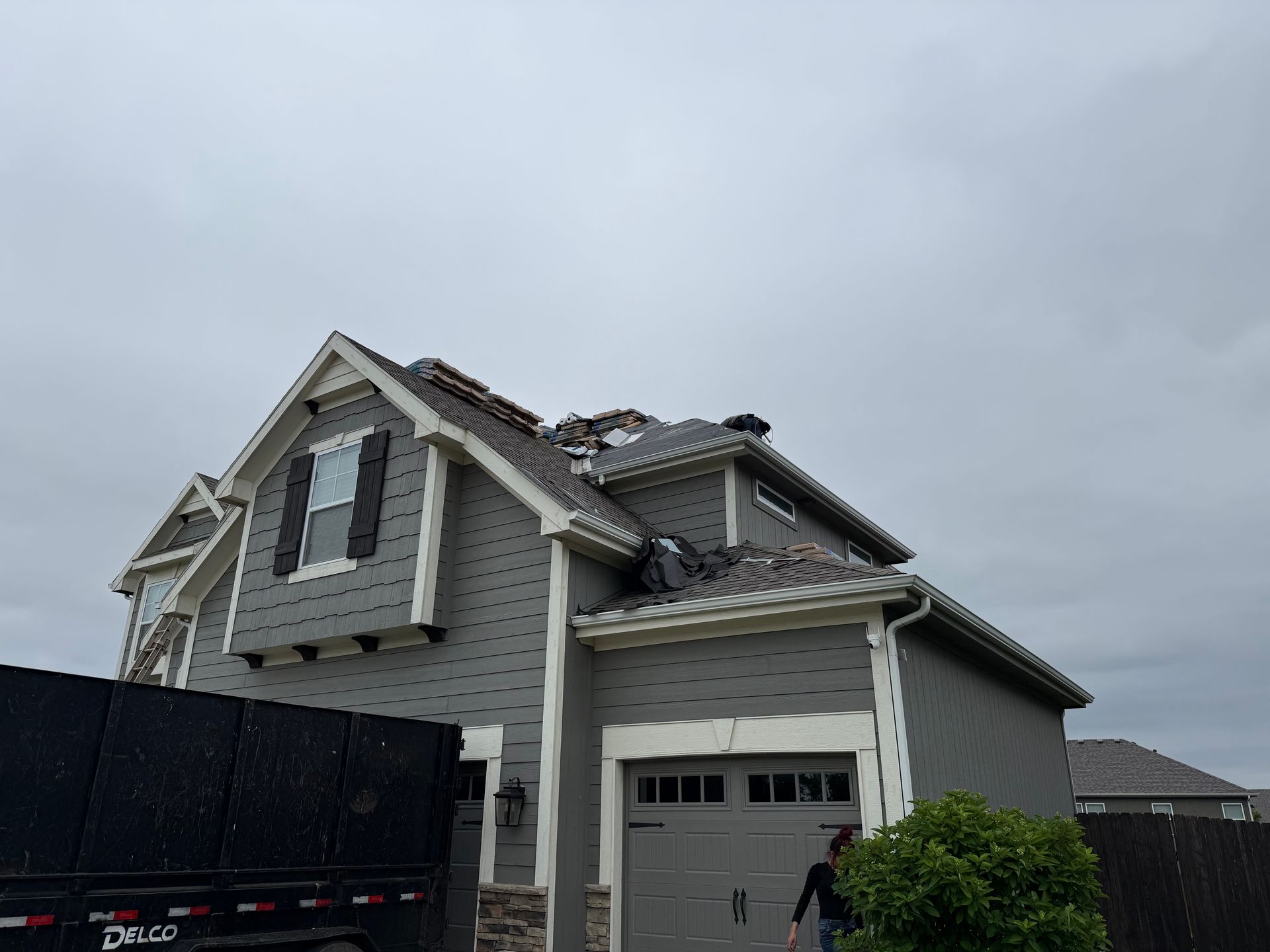
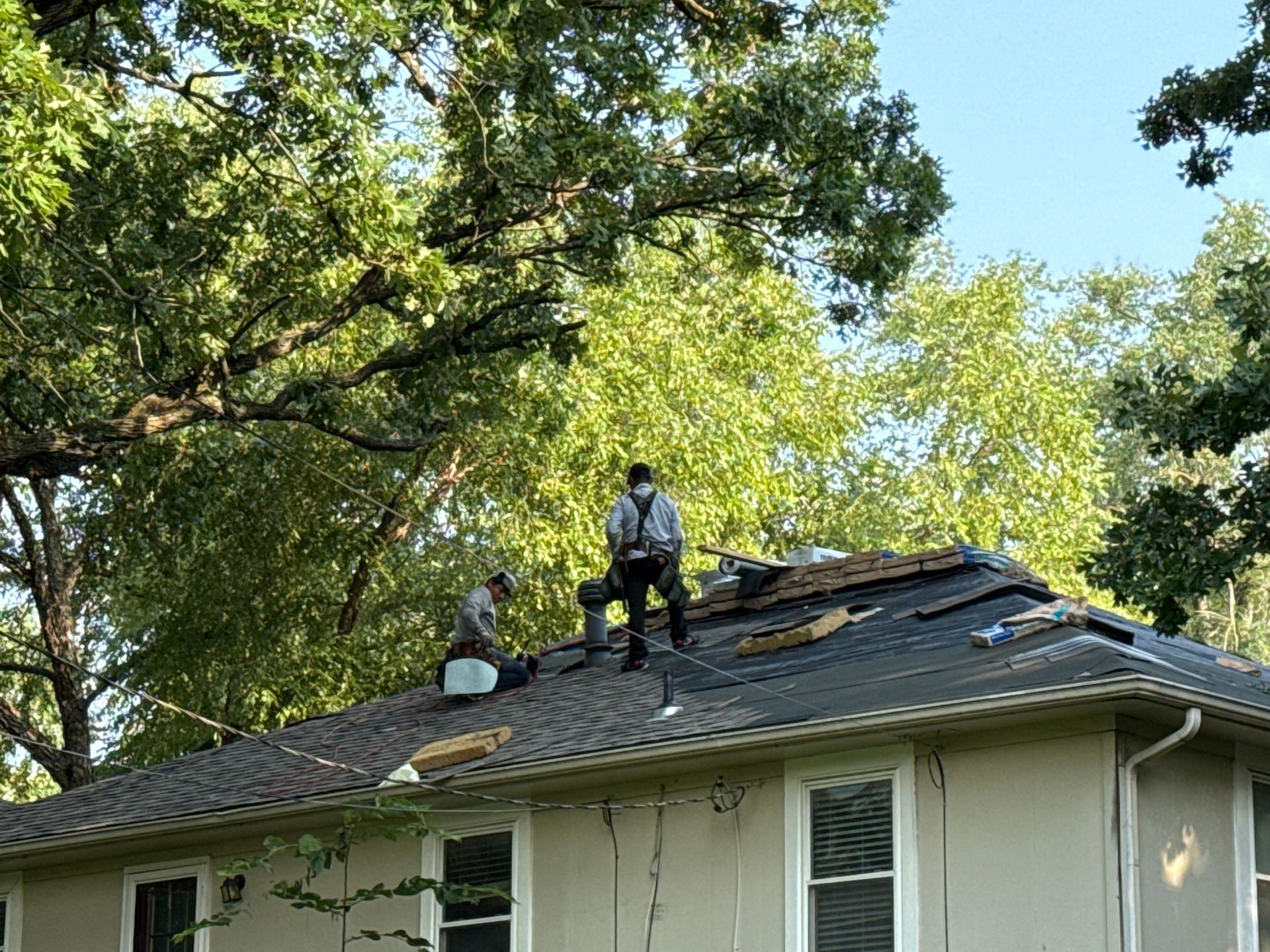
After a big storm rolls through Kansas City, it's common to see roofers working throughout the neighborhood.
You notice your next-door neighbor getting a new roof and immediately wonder:
"If they got approved for a new roof, does that mean I should file a claim too?"
Maybe.
But maybe not.
One of the biggest misconceptions homeowners have is assuming that if one house gets a new roof, every house on the block should. The truth is that no two homes are exactly alike, and no two insurance claims are exactly the same. Let's walk through how insurance companies evaluate storm damage and why your neighbor's situation might be very different from yours.
If My Neighbor Had Damage, Doesn't That Mean I Have Damage Too?
Not necessarily.
Storms don't hit every home equally. A roof's condition before the storm matters.
Things like:
- Roof age
- Roof slope
- Direction the house faces
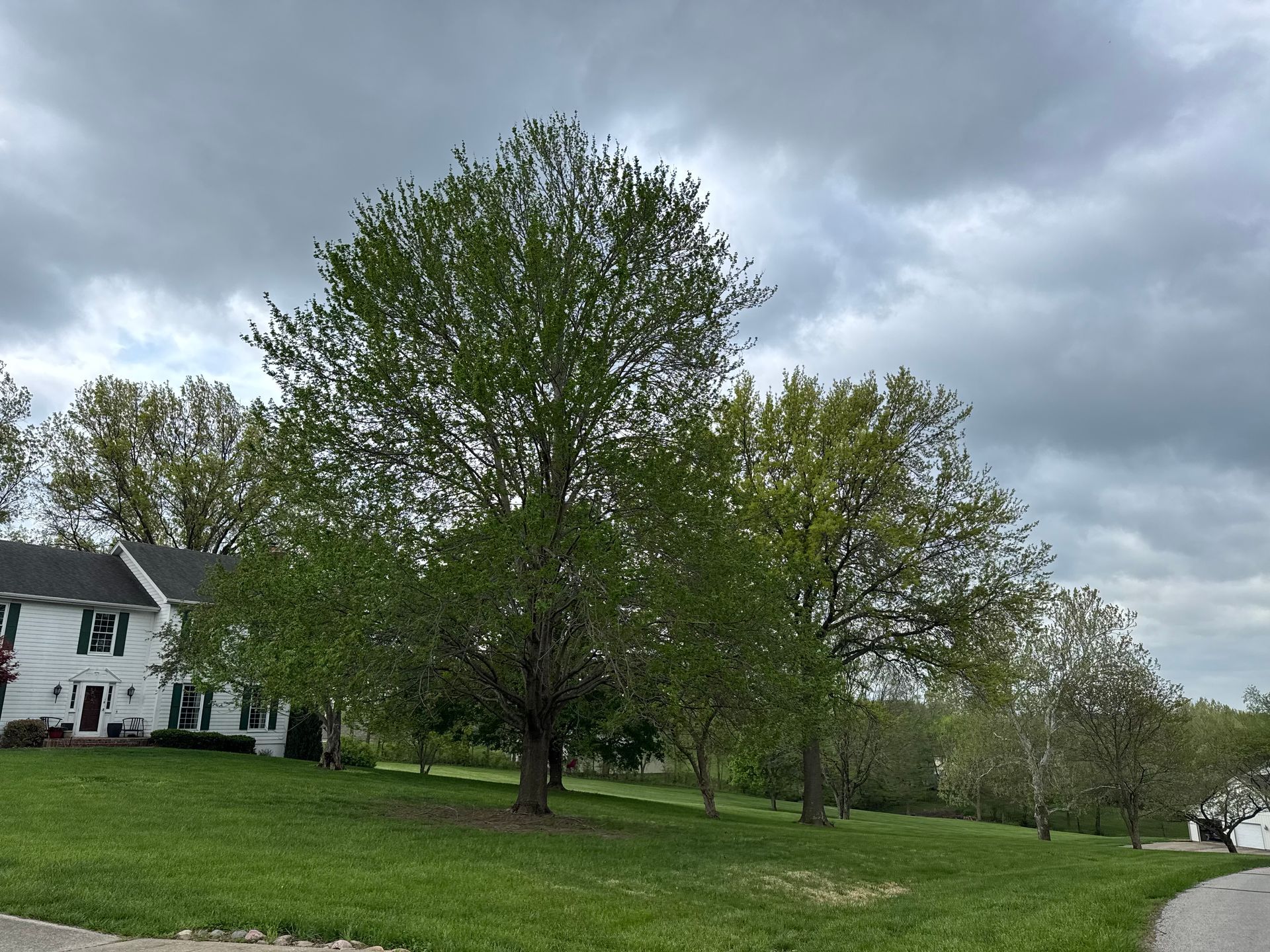
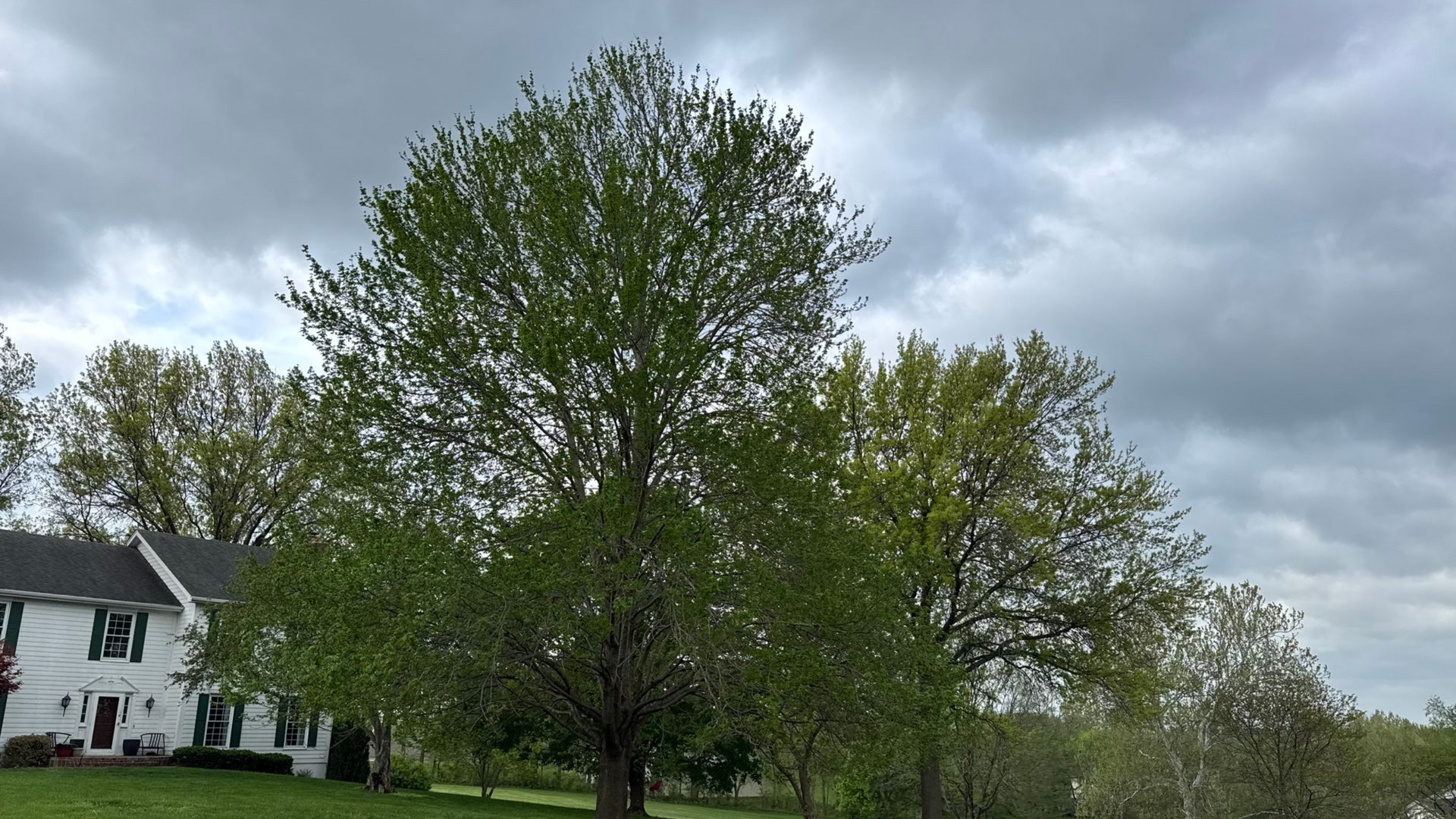
- Tree coverage
- Previous repairs
- Ventilation
- Roofing material
These can all influence the extent of damage a roof sustains. It's possible for two houses sitting next to each other to have very different outcomes.
One may need a complete replacement, while the other may require only minor repairs or none at all.
How Can Two Houses Next to Each Other Have Different Damage?
There are several reasons.
1. Roof Age
A 25-year-old roof will often respond differently to wind and hail than a roof that's only 8 years old.
2. Previous Condition
Insurance generally covers sudden storm damage, not wear and tear.
If one roof was already near the end of its life before the storm, replacement may be more likely.
3. Direction of the Storm
Hail and wind can impact one side of a neighborhood harder than another.
4. Roofing Materials
Different shingles and roofing systems respond differently to severe weather.
Should I File a Claim Just Because My Neighbor Did?
No.
A claim should be based on damage, not on what happened to someone else.
The best first step is understanding the condition of your own roof.
A professional inspection can help determine:
- Whether storm damage exists
- How severe the damage is
- Whether repairs are possible
- Whether filing a claim makes financial sense
Many homeowners make the mistake of filing first and investigating later. The opposite approach usually leads to better decisions.
What If I Don't See Any Damage?
That's common.
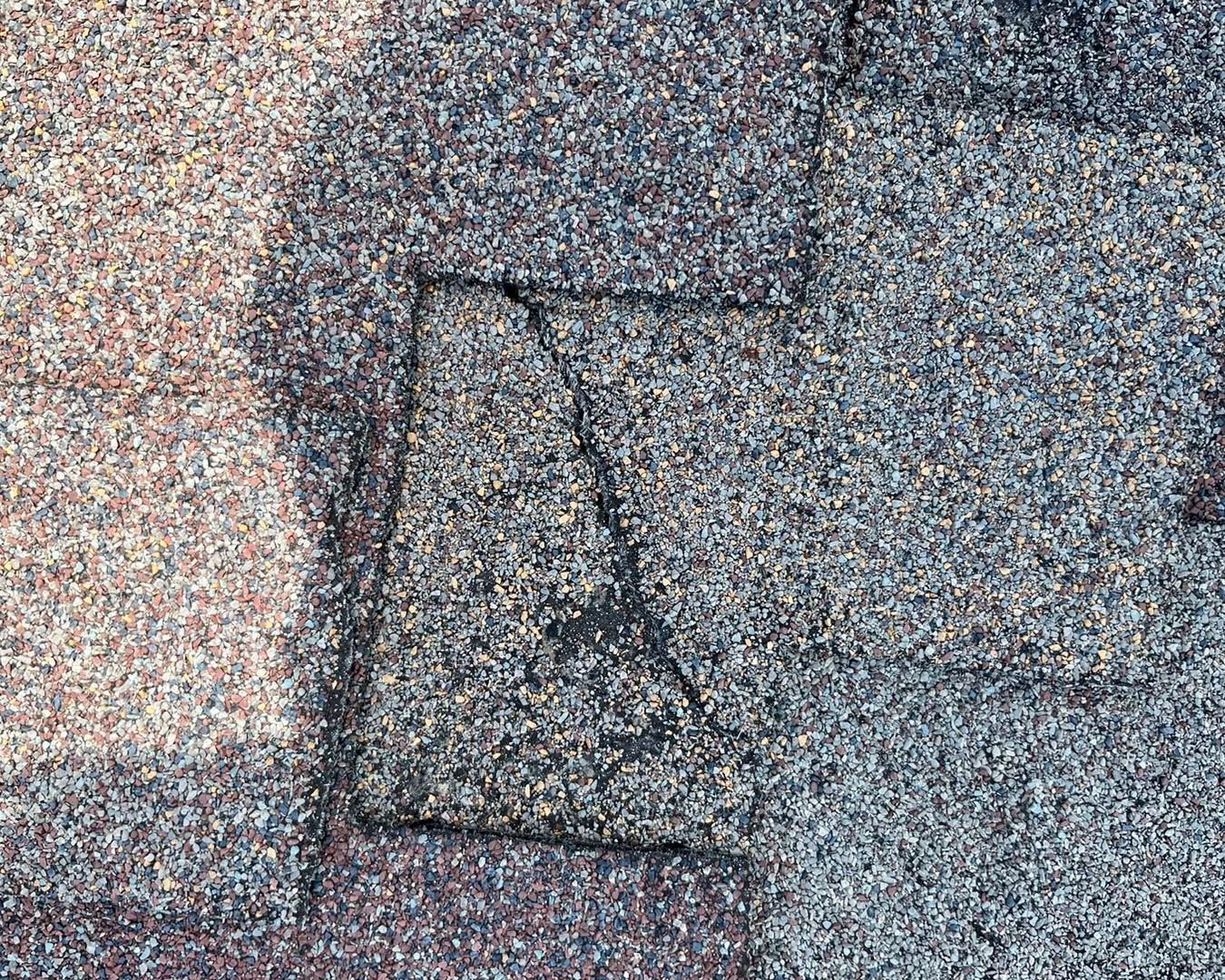
Many forms of hail and wind damage aren't visible from the ground.
Signs that may warrant an inspection include:
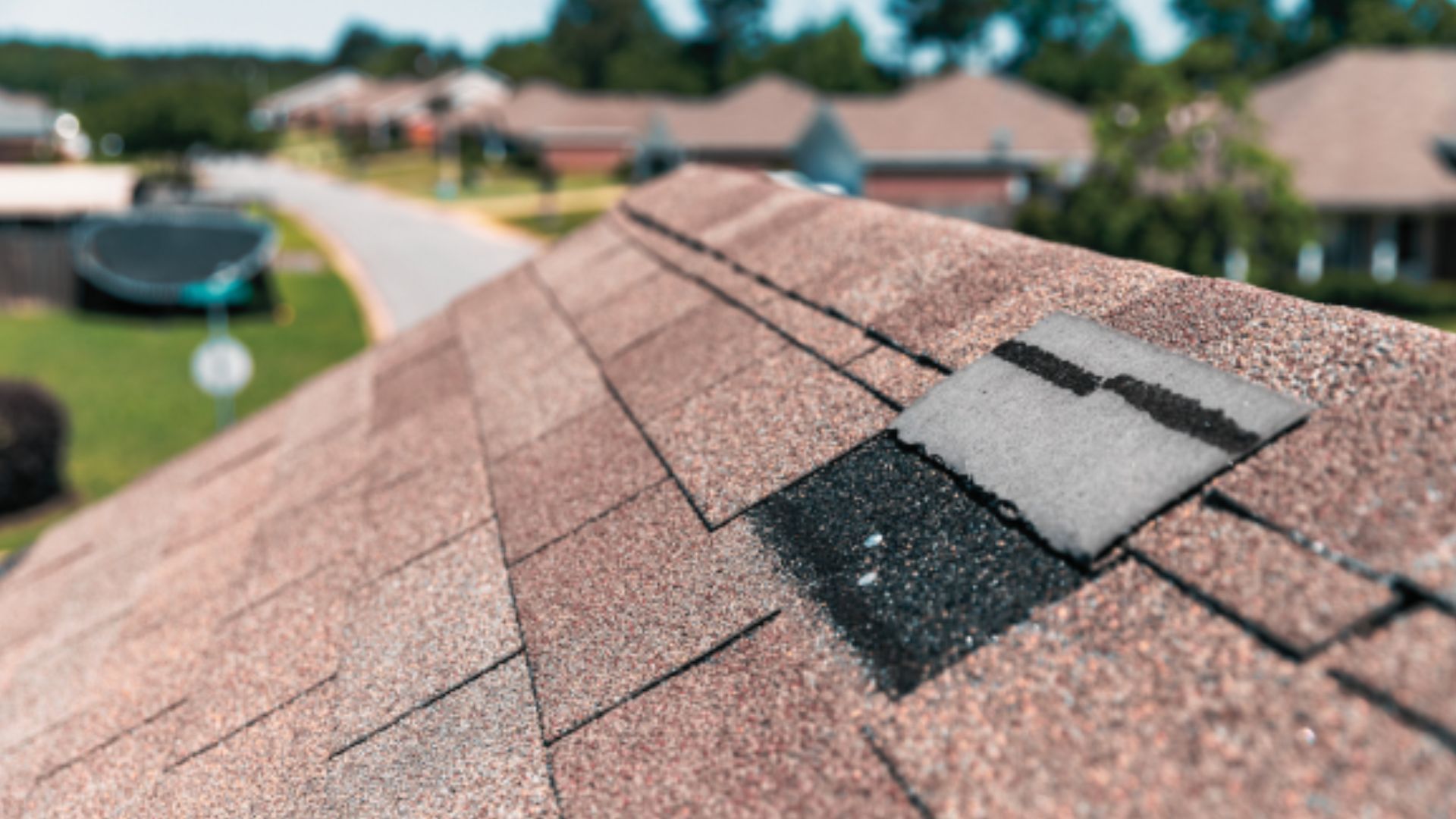
- Missing shingles
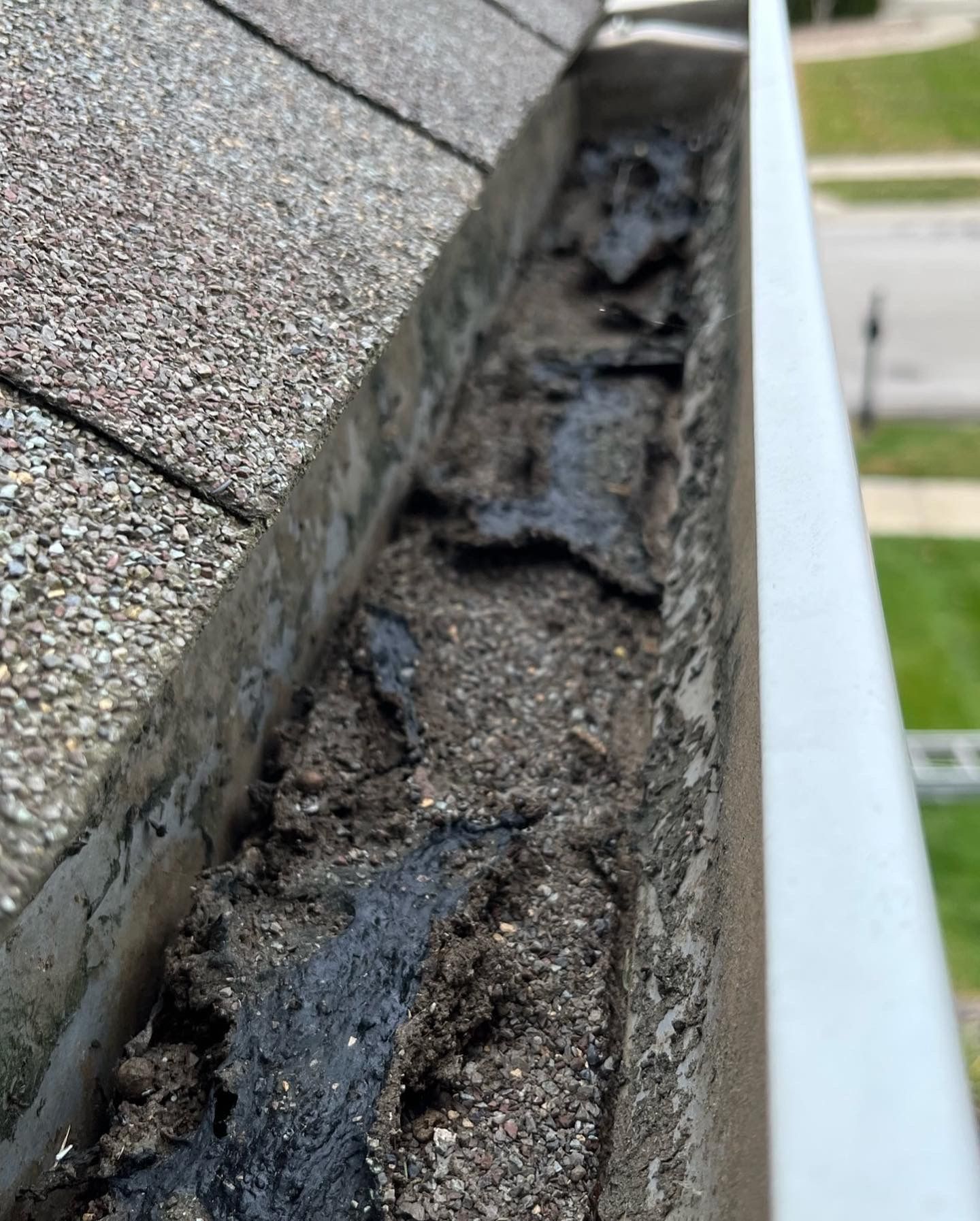
- Granules in gutters
- Dented gutters or downspouts
- Water stains inside the home
- Damaged siding
- Tree limbs on the roof
Even if you don't see these signs, widespread damage throughout the neighborhood may justify an inspection simply to understand the condition of your roof.
What Determines Whether Insurance Approves a Roof?
Insurance companies generally evaluate:
- Storm-related damage
- Extent of damage
- Repairability
- Age and condition of the roof
- Policy coverage
Approval isn't based on whether your neighbor got a new roof. It's based on the condition of your roof.
Can Two Neighbors Have Different Insurance Outcomes?
Absolutely.
Different insurance companies have different policies.
Different adjusters may document damage differently.
One homeowner may have replacement cost coverage while another may have actual cash value coverage. One roof may have sustained enough damage to justify replacement, while the neighboring roof may not.
Every claim is unique.
What If My Claim Gets Denied?
A denial doesn't necessarily mean your roof has no damage.
Sometimes:
- Damage is repairable.
- Additional documentation is needed.
- The damage falls below deductible.
- Wear and tear was mistaken for storm damage.
A denied claim doesn't automatically mean you need to replace the roof out of pocket. Understanding the condition of the roof should always come first. That's where we can help. We have over a decade of experience working on insurance claims at the agency level. Now we can use that knowledge to help homeowners understand their unique situation.
How Much Damage Does It Take to Get More Coverage?
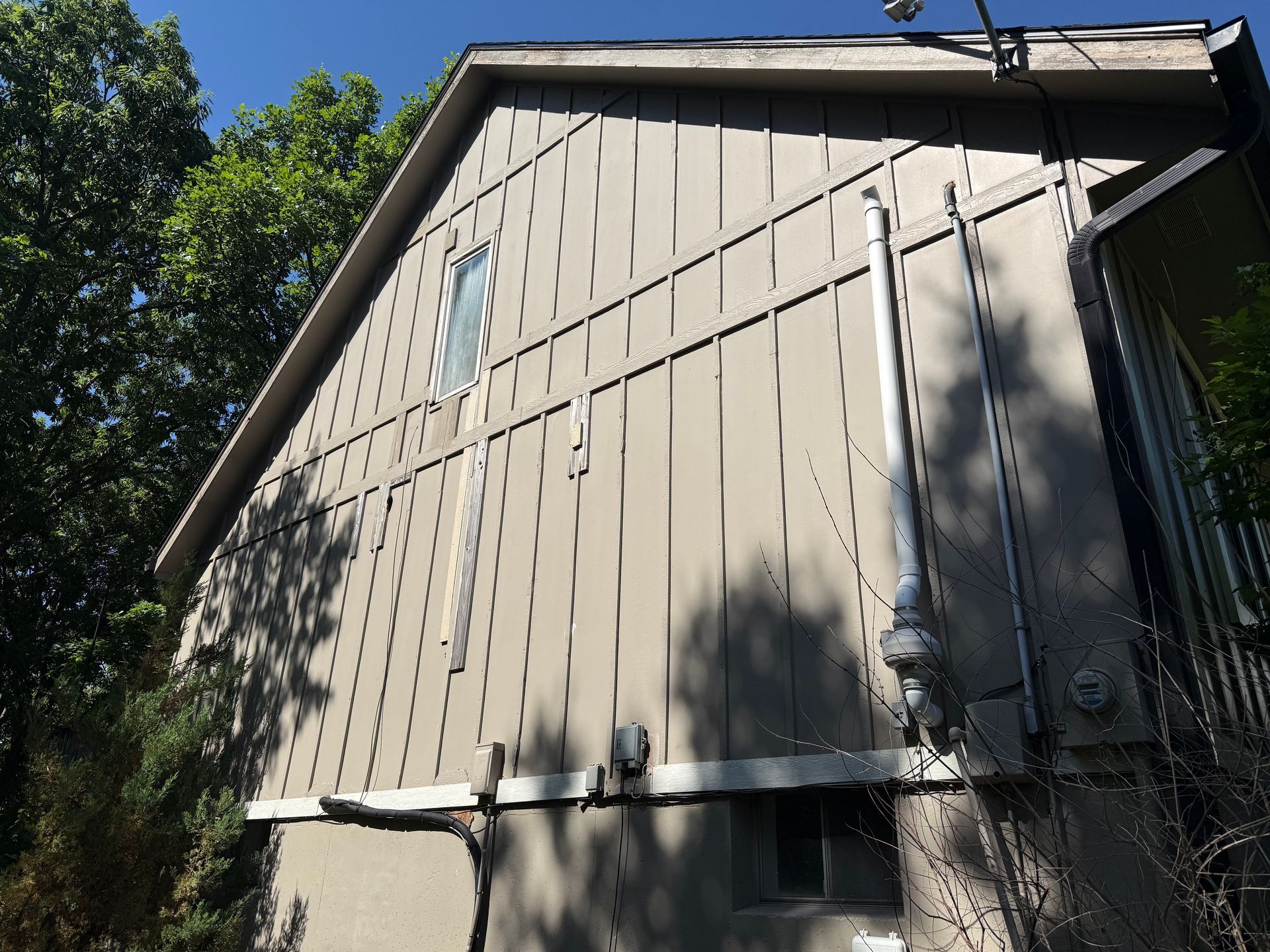
Homeowners often focus only on the roof, but storms can damage much more than shingles.
Additional damage may include:
Insurance companies evaluate the entire loss, not just the roof. That's why a complete exterior inspection matters.
Should I Have My Roof Inspected Even If My Neighbor Already Had Theirs Replaced?
Yes.
Not because your neighbor got a roof, but because your home deserves its own evaluation after a storm.
An inspection provides information. This information leads to better decisions, and the goal isn't to make a claim; it's to understand your home's condition and make smart choices.
How Do I Choose the Right Roofing Contractor?
Look for someone who:
- Is local to the Kansas City area.
- Provides honest recommendations.
- Doesn't pressure homeowners into filing claims.
- Understands insurance restoration.
- Communicates clearly.
- Has strong reviews and references.
Beware of anyone promising a "free roof" or guaranteeing insurance approval. Also be wary of anyone who offers to write the claim to include things you or they don't plan to fix, just to get more money. It's fraud, and those promises should raise concerns.
The Bottom Line
Just because your neighbor got a new roof doesn't automatically mean you need one.
Every roof is different.
Every home is different.
Every insurance policy is different.
The smartest thing you can do after a storm isn't filing a claim.
It's understanding the condition of your roof.
At Ranger Roofing & Exteriors, we help Kansas City homeowners evaluate storm damage, understand their options, and make informed decisions based on facts, not pressure. Our goal isn't to sell roofs, it's to help homeowners protect their homes.
My neighbor got a new roof after the storm. Does that mean I have damage too?
Not necessarily. Every roof responds differently to hail and wind depending on its age, condition, materials, and how the storm impacted your property. Two homes next to each other can experience very different levels of damage. A professional inspection can help determine whether your roof sustained storm-related damage.
Why would my neighbor's insurance company approve a new roof but mine wouldn't?
Insurance decisions are based on the condition of each roof, the extent of storm damage, policy coverage, and repairability. Different insurance companies and policies may also provide different levels of coverage. Approval is based on your roof, not your neighbor's.
Should I file an insurance claim just because homes around me are getting new roofs?
Not necessarily. Filing a claim should be based on actual damage and whether the total loss is likely to exceed your deductible. A professional inspection can help determine whether filing a claim makes financial sense before you contact your insurance company.
Can two houses next to each other have completely different storm damage?
Yes. Factors such as roof age, previous repairs, tree coverage, roof orientation, and roofing materials can all affect the extent of damage a home experiences. It's common for one home to require replacement while another only needs minor repairs, or none at all.
What should I do if my neighbors are replacing their roofs after a storm?
The best first step is not filing a claim; it's understanding the condition of your own home. A professional inspection can identify damage to the roof, gutters, siding, and exterior, and help you decide whether repairs, replacement, or an insurance claim is appropriate.
How long should I wait after a storm before having my roof inspected?
It's best to schedule an inspection within a few days or weeks after a significant hail or wind event. Some damage isn't immediately visible and may not cause leaks until months later. Early inspections help homeowners understand the condition of their roof and preserve documentation if an insurance claim becomes necessary.
FAQs
This is the text area for this paragraph. To change it, simply click and start typing.
Is it safe to stay home during a roof replacement?
Yes. Most homeowners safely remain in their homes during roof replacement, although the noise and vibrations can be disruptive.
How long does a roof replacement usually take?
Most asphalt shingle roof replacements in the Kansas City area are completed in one to two days, depending on the size and complexity of the roof.
Will my homeowner's insurance pay for a hotel during roof replacement?
Typically, no. If the roof replacement is part of a covered insurance claim and the home becomes temporarily uninhabitable, coverage may vary by policy. Check with your insurance provider for details.
Should I warn my neighbors before my roof is replaced?
It's a thoughtful gesture. Letting neighbors know about the project can help them prepare for temporary noise and additional vehicles in the area.
What happens if bad weather delays my roof replacement?
Professional roofing contractors closely monitor weather conditions and use protective materials to keep your home dry if unexpected rain interrupts the project.
5-Star Customer Experience