I Found Granules in My Gutters After the Storm. Does That Mean I Need a New Roof?
Granules in Gutters After a storm
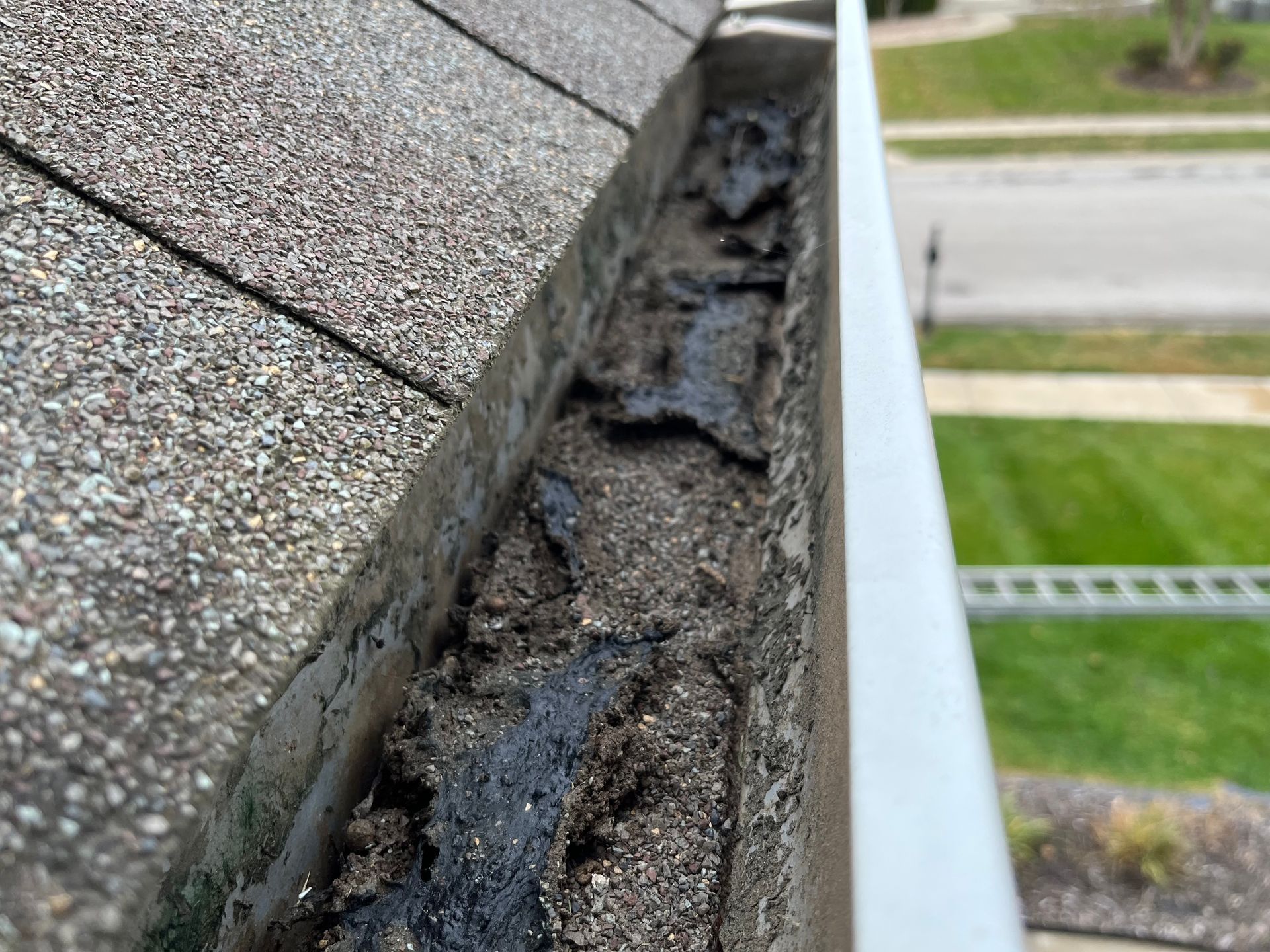
I Found Granules in My Gutters After the Storm. Does That Mean I Need a New Roof?
After a storm, many homeowners walk around their house looking for obvious damage. Maybe a few tree branches came down, maybe your patio furniture moved across the yard. Then you glance into your gutters and notice something you've never paid attention to before.
There's a layer of what looks like coarse black sand.
Your first thought is probably:
"Is that from my roof?"
Then comes the next question:
"Does this mean I need a new roof?"
Not necessarily.
Granules in your gutters can be completely normal, or they can be one of the first signs that your roof has experienced storm damage or is beginning to wear out. Granules in your gutters are common- you may have just not noticed them before.
The key is understanding how much granule loss is normal and when it deserves a closer look.
What Are Roof Granules?
If you have an asphalt shingle roof, those tiny, rough particles on the surface of your shingles are called granules.
They aren't just there for appearance.
They serve several important purposes:
- Protect shingles from UV rays
- Help shingles shed water
- Improve fire resistance
- Add durability
- Give shingles their color
Without granules, asphalt shingles deteriorate much faster.
Is It Normal to Find Granules in My Gutters?
Yes.
Every asphalt roof loses some granules over time. In fact, if your roof is brand new, you may notice more granules than expected during the first few rainstorms, but loose manufacturing granules will wash away naturally.
Also, a small amount of granule loss is part of normal aging, but large amounts are a different story. Waiting too long to repair or replace your damaged shingles could affect an insurance claim in the future.
How Can I Tell If It's Too Many Granules?
There isn't a magic number, but look for these patterns.
You may want a roof inspection if you notice:
- Thick piles of granules in your gutters
- Granules collecting at downspout exits
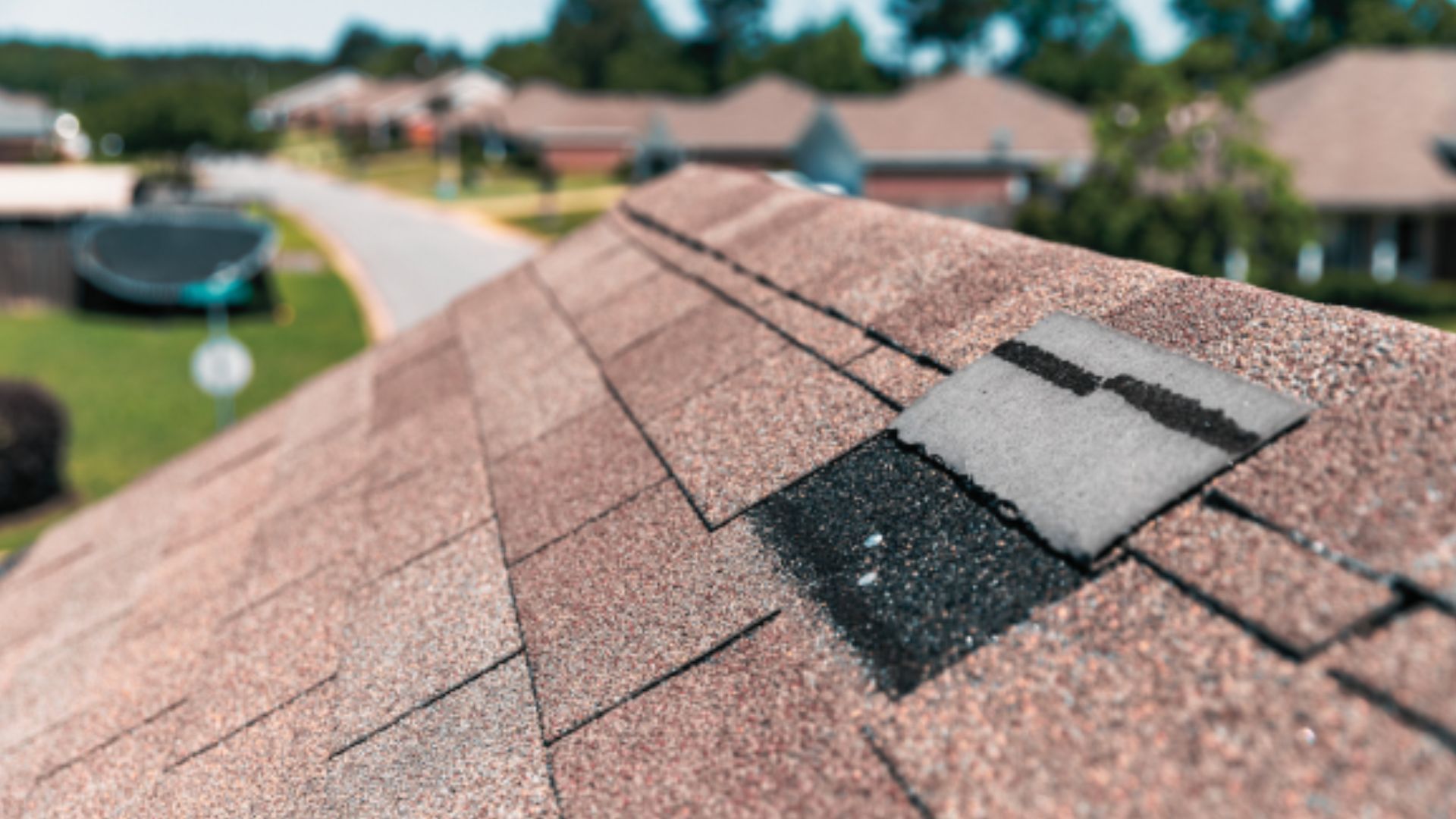
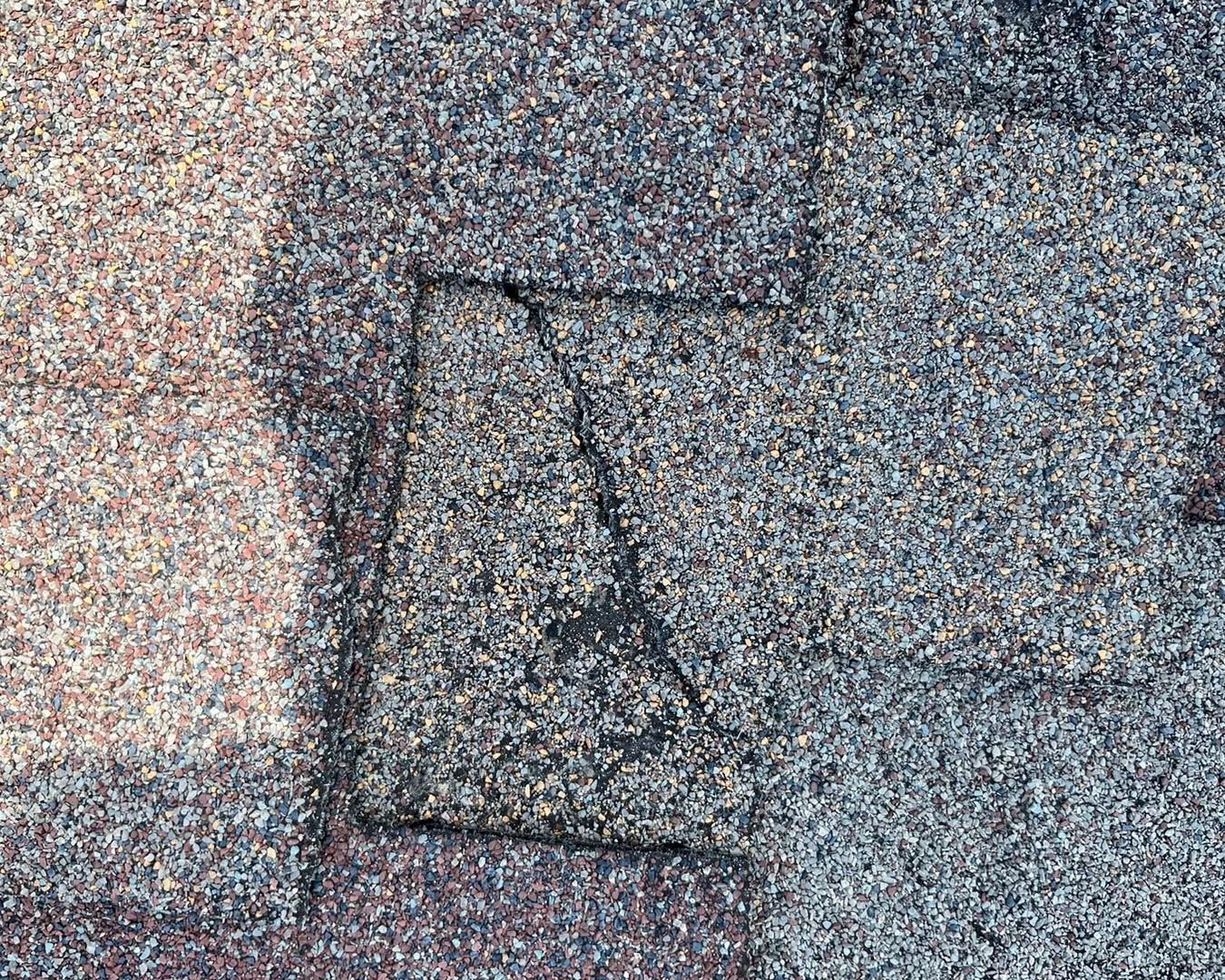
- Bare or shiny spots on shingles
- Different-colored patches on the roof
- Multiple gutters filling with granules after a storm
These signs can indicate that your shingles have lost part of their protective surface.
Can Hail Cause Granule Loss?
Absolutely.
In fact, hail is one of the most common causes of sudden granule loss. When hailstones strike asphalt shingles, they can knock protective granules loose. Sometimes the damage is obvious, but other times, the shingles look perfectly normal from the ground while the protective surface has been compromised.
That's why a professional inspection is often recommended after significant hail events.
Can Wind Cause Granule Loss Too?
Yes.
Kansas City's high winds don't just lift shingles. Between rain, wind, hail, ice, and snow, your shingles are exposed 24-7, 365 days a year to whatever weather KC throws at us.
Wind can also:
- Flex shingles repeatedly
- Break adhesive seals
- Accelerate aging
- Loosen granules
When strong wind is combined with heavy rain, shingles can lose more granules than they would during a typical storm.
Does Granule Loss Mean My Roof Needs to Be Replaced?
Not always.
Granule loss exists on a spectrum. Sometimes it's simply normal wear and only a small repair is needed.
Other times, it indicates the roof is approaching the end of its service life. Be sure to look for the patterns we mentioned above. If your roof is looking "shinier" every day, chances are it's time to start thinking about a roof replacement. If you want more information about knowing if your roof needs to be repaired or replaced, you can call us. It costs you nothing to have us out, walk you through our findings and help with the next step. We also have a lot of helpful resources on our webpage. Start with this one: It's all about knowing whether you should repair or replace your roof.
The only reliable way to know is by evaluating the entire roofing system, not just what's sitting in the gutter.
A roof inspection considers:
- Shingle condition
- Flashing
- Ventilation
- Underlayment
- Fasteners
- Storm damage
- Roof age
Granules are just one piece of the puzzle.
What Happens If I Ignore Granule Loss?
Granules protect your shingles from the elements.
Once enough granules are gone, shingles become more vulnerable to:
- Sun damage
- Cracking
- Drying out
- Curling
- Water intrusion
- Wind damage
That doesn't mean your roof is about to fail tomorrow, but it does mean the roof may be aging faster than intended.
Should I File an Insurance Claim?
Oh yikes! Hold the phone. Not because you found granules.
Insurance companies generally look for covered storm damage, not simply signs of normal aging.
The better approach is:
- Have your roof professionally inspected.
- Determine whether storm damage is present.
- Understand the extent of the damage.
- Decide whether filing a claim makes sense.
That sequence helps homeowners avoid filing unnecessary claims while ensuring legitimate storm damage isn't overlooked. We also offer Insurance Claim Assistance at no cost to you. Don't file a claim without understanding your unique situation. Let us help. We have over a decade of experience working in insurance on residential property claims.
How Much Does It Cost to Fix Granule Loss?
It depends on what's causing it.
If the issue is isolated, a repair may be sufficient. If granule loss is widespread and accompanied by hail or wind damage, replacement may be the more practical long-term solution.
Every roof is different, which is why inspections are far more valuable than guesses.
Can I Check My Roof Myself?
You can safely inspect from the ground.
Look for:
- Granules in gutters
- Missing shingles
- Bent gutters
- Dented metal vents
- Fallen branches
- Pieces of shingles in the yard
Avoid climbing onto the roof yourself.
Storm-damaged roofs can be slippery, unstable, or weakened in ways that aren't immediately visible.
How Do I Choose the Right Roofing Contractor?
After a major storm, you'll likely see roofing companies throughout the neighborhood.
Choose one that:
- Is locally established in the Kansas City area
- Has strong customer reviews
- Provides detailed inspections
- Clearly explains findings
- Doesn't pressure you into filing a claim & througoughly inspects the roof before they recommend you do
- Offers written estimates
- Carries proper licensing and insurance
A trustworthy contractor helps you understand your options instead of making the decision for you.
The Bottom Line
Finding granules in your gutters after a storm doesn't automatically mean you need a new roof. It does mean your roof is giving you information. It could point to normal aging or to some hail or wind damage. Sometimes it identifies an opportunity to address a small issue before it becomes a much larger repair.
The best next step isn't assuming the worst. Understanding your roof's condition so you can make an informed decision.
At Ranger Roofing & Exteriors, we provide free roof inspections throughout the Kansas City metro, helping homeowners understand whether they're looking at normal wear, storm damage, or something that needs prompt attention.
FAQs
Are granules in my gutters always a sign of roof damage?
No. Some granule loss is normal, especially on new roofs or older roofs experiencing regular wear. Large amounts after a hail or wind storm may indicate damage that should be evaluated.
How long do asphalt shingles keep their granules?
Most asphalt shingles gradually lose granules throughout their lifespan. The rate depends on roof age, weather exposure, installation quality, and storm activity.
Can hail knock granules off without causing leaks?
Yes. Hail can damage the protective surface of shingles long before leaks develop, which is why an inspection after a significant storm can be valuable.
Should I clean granules out of my gutters?
Yes. Keeping gutters clear helps water drain properly. However, if you notice an unusual amount of granules, it's also a good idea to have your roof inspected to determine the cause. If you need a professional, call The Window Cleaner Guys.
Can I tell if my roof needs replacing just by looking at the gutters?
No. Granules provide one clue, but a complete roof evaluation considers the condition of the shingles, flashing, ventilation, decking, and any storm-related damage before determining whether repair or replacement is appropriate.
FAQs
This is the text area for this paragraph. To change it, simply click and start typing.
Is it safe to stay home during a roof replacement?
Yes. Most homeowners safely remain in their homes during roof replacement, although the noise and vibrations can be disruptive.
How long does a roof replacement usually take?
Most asphalt shingle roof replacements in the Kansas City area are completed in one to two days, depending on the size and complexity of the roof.
Will my homeowner's insurance pay for a hotel during roof replacement?
Typically, no. If the roof replacement is part of a covered insurance claim and the home becomes temporarily uninhabitable, coverage may vary by policy. Check with your insurance provider for details.
Should I warn my neighbors before my roof is replaced?
It's a thoughtful gesture. Letting neighbors know about the project can help them prepare for temporary noise and additional vehicles in the area.
What happens if bad weather delays my roof replacement?
Professional roofing contractors closely monitor weather conditions and use protective materials to keep your home dry if unexpected rain interrupts the project.
5-Star Customer Experience